• AFH
  • 4Dimensions
  • News
  • AFH Projects
  • About Paul McLean
    • Generic Bio
    • DIM TIM: Fallacies of Hope
    • Reel
    • Sample Text: On Concentricity [Brooklyn Rail]
    • Studio
    • NMNF Blog
  • Contact
Art for Humans

[Paul McLean]

  • AFH
  • 4Dimensions
  • News
  • AFH Projects
  • About Paul McLean
    • Generic Bio
    • DIM TIM: Fallacies of Hope
    • Reel
    • Sample Text: On Concentricity [Brooklyn Rail]
    • Studio
    • NMNF Blog
  • Contact

HW#2_2/11: Photography

LINDA [PJM, 2001 (Digital print from Photoshop-enhanced source TIFF output on vinyl; original photograph recorded on 35mm slide film)]

LINDA [PJM, 2001 (Digital print from Photoshop-enhanced source TIFF output on vinyl; original photograph recorded on 35mm slide film)]

My father, William D. McLean, was an avid amateur photographer. So, photography featured prominently in my childhood. Not surprisingly, when I began to work creatively in college, I found ways to integrate camera-based technics into my general artistic practices. At first I used the camera to document travel, to improve my focal apparatus in seeing, as a compositional instructor, specifically with regards rectangular framing, for painting studies and so on. Eventually, encouraged by peers and professional assessments, I began to present photographs in 4D exhibition contexts, in a diversity of formats and applications, both analog and digital. I applied photographic elements to moving image processes, including animation and video for web, monitors and projections. The digital animation below - a portrait of Art Guerra containingimpressions of his studio and art - was built entirely from a photo series shot during a 2010 Bushwick Open Studios tour, and is an example of how my photographs can translate to complex 4D-AV content. Over a period of decades, my integrative approach to photography has evolved into its own dimensional concentration. I have concurrently developed a range of theories and theses to accompany my practical photo-based imaging methods. This photo set from my Flickr archives [Fotolog Uploads (2003-4)] provides a nice introduction to my various photographic interests and usages through the mid 00s. The in-phone camera technology obviously appeared later, as did my digital phone-cam production.

Photography is such a massive phenomenon. Suffice to say it has had a profound impact on my art. I wouldn't try to apply compartmentalizing recursion to photography - field, medium or craft. Photography for me is familial, the camera itself a collaborator, as long as I have been conscious, and before that possibly.

As for photography/children: the matter is complicated, I would think in the education angle. "Class Pictures" are one thing. Integrating cameras into the classroom is complicated by the ambient issues attaching to photography historically. These include permissions, usages and purposes, broadly speaking. Clearly, photos have applications beyond aesthetics, e.g.: identification, production, exploitation, and in both the metaphysical and economic senses, extraction. Central concerns revolve around privacy and property, but also complicity or reciprocity between photographer and subject. At the very least, introducing photography to the classroom could serve as a conversation-starter along these lines involving all the stakeholders. Because the camera is a powerful, far-reaching industrial machine, the discourse should eventually veer into the analyses of reproduction, representation, veracity, motivation, media, image, personhood, and so on. To not engage in these conversations a priori integrating cameras into educational processes creates an invisible problem. The camera in one of its aspects is not just a tool for chronicling history. It is a tool for creating history (truthful and/or not). By now one might assume we would be cautious with the camera, as such. There is plenty of evidence of what the photo is capable.

My dad in a class photo (center).

My dad in a class photo (center).

Monday 06.19.17
Posted by Paul McLean
 

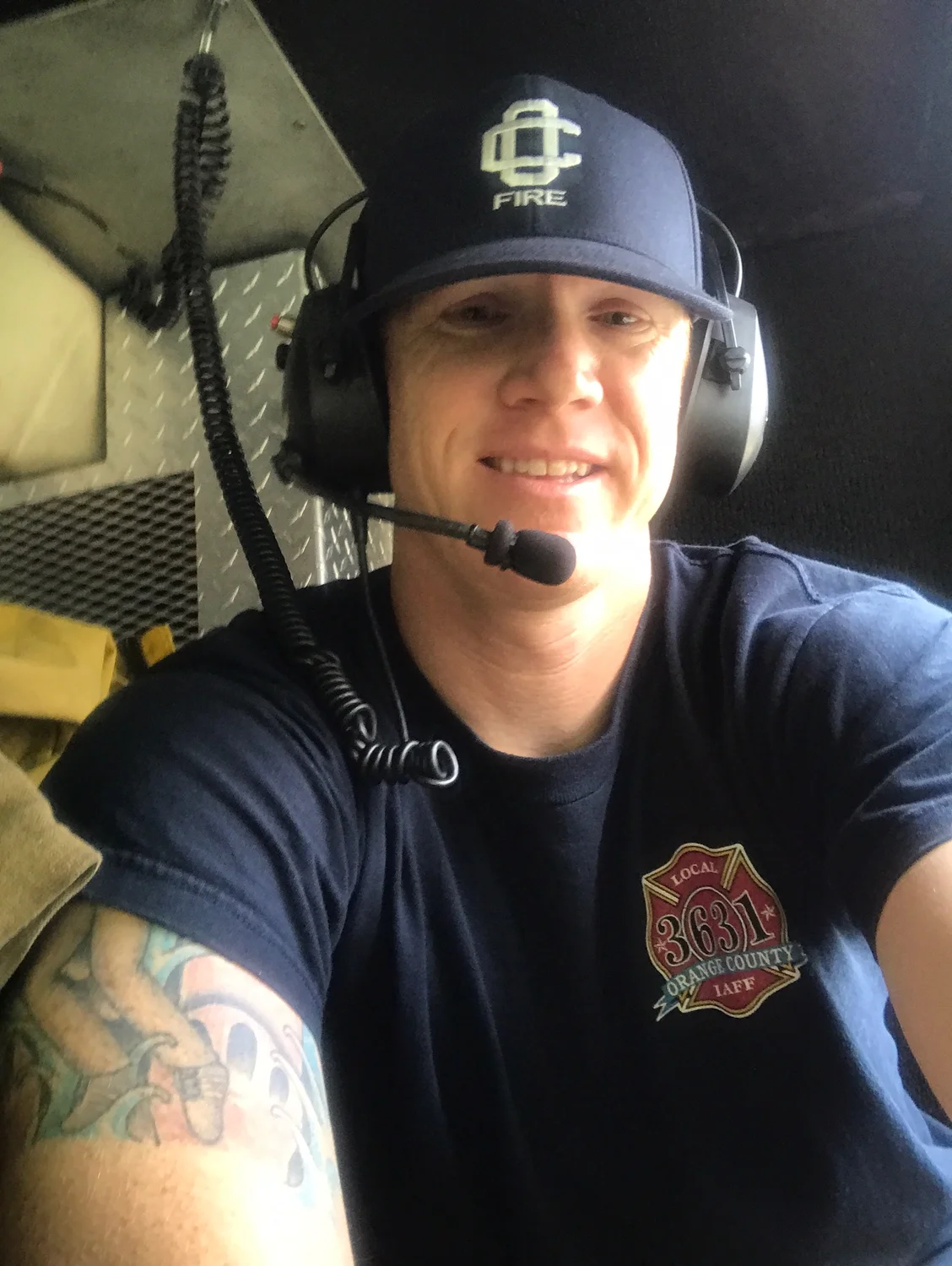
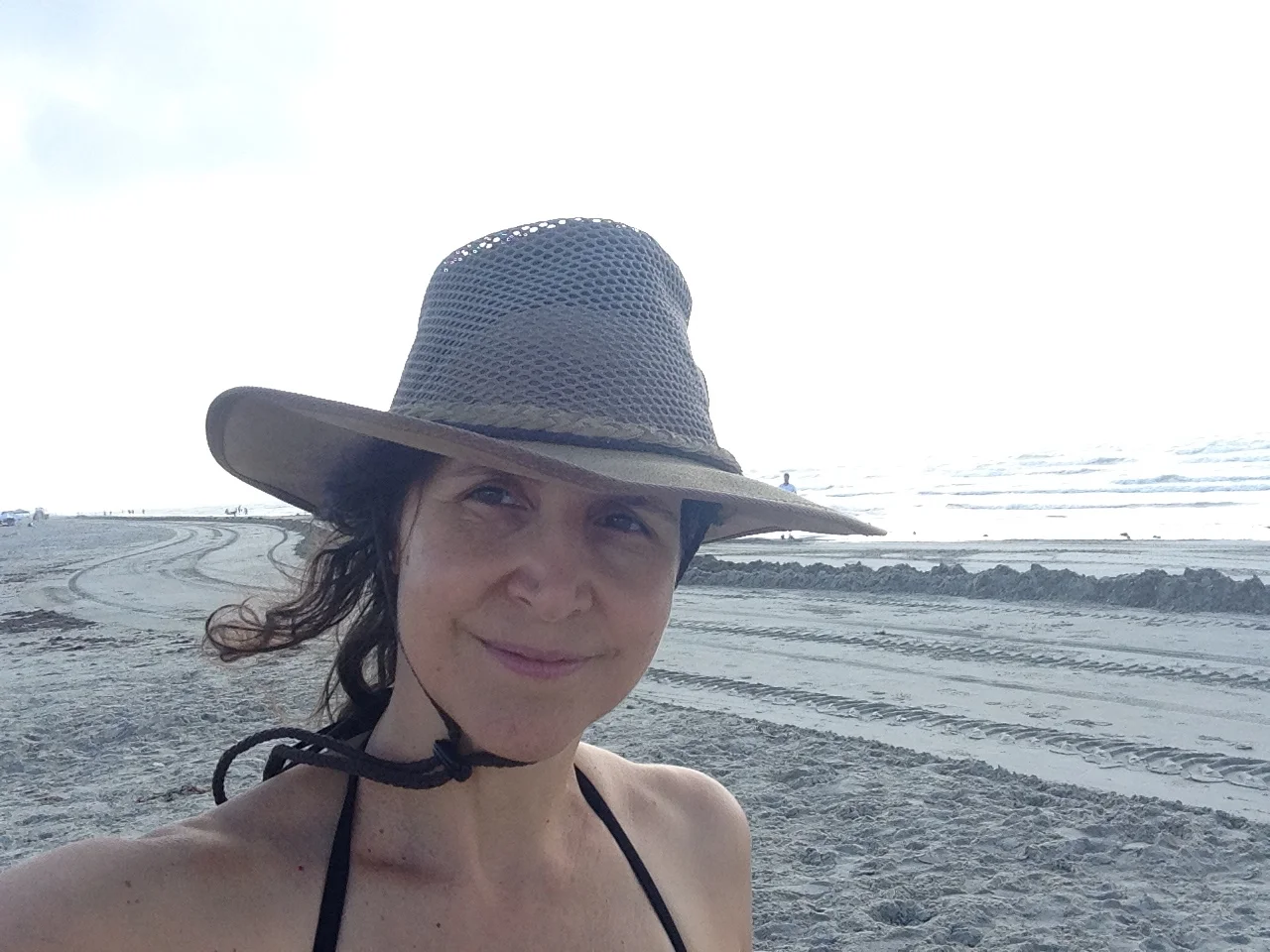
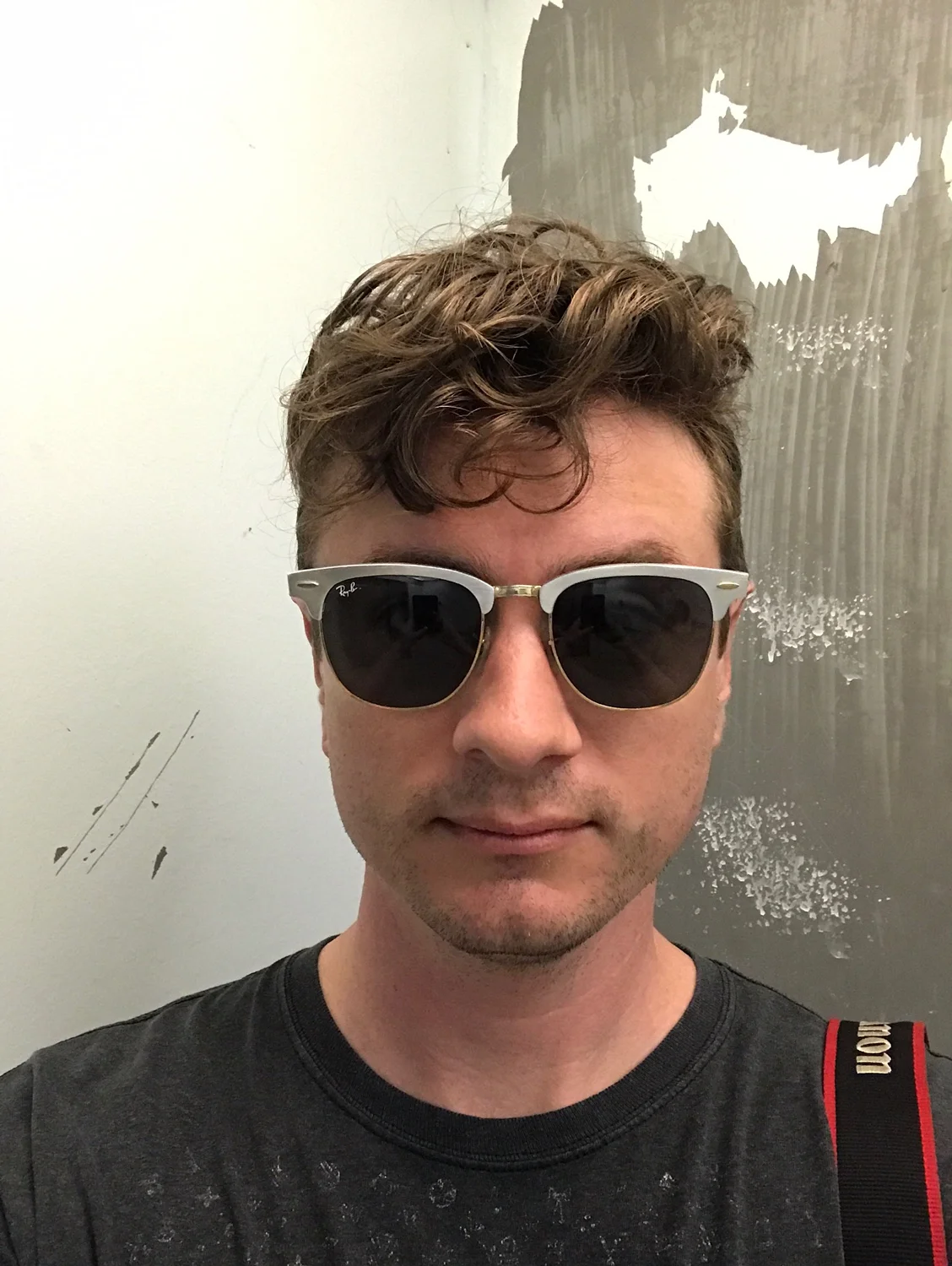
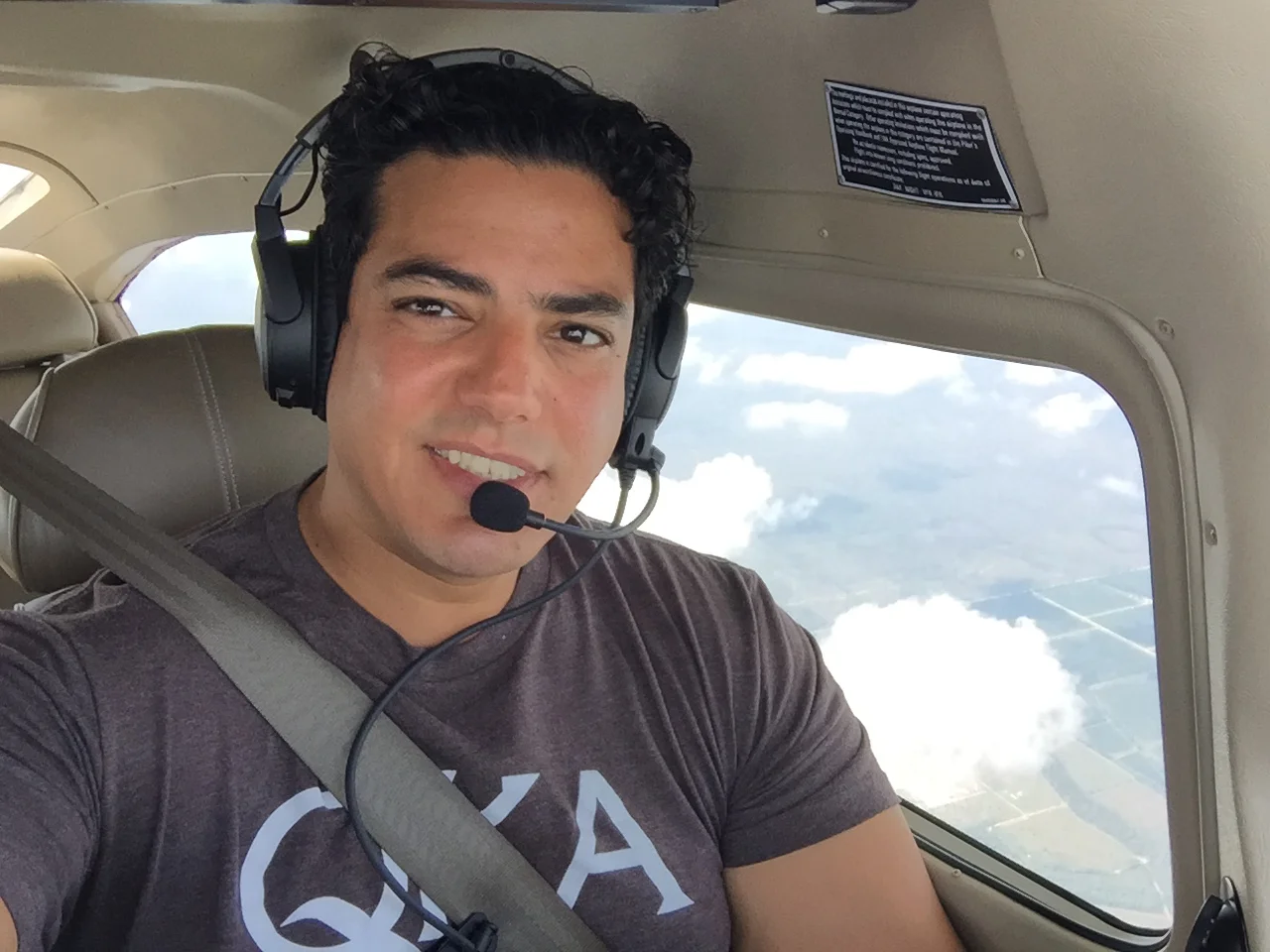
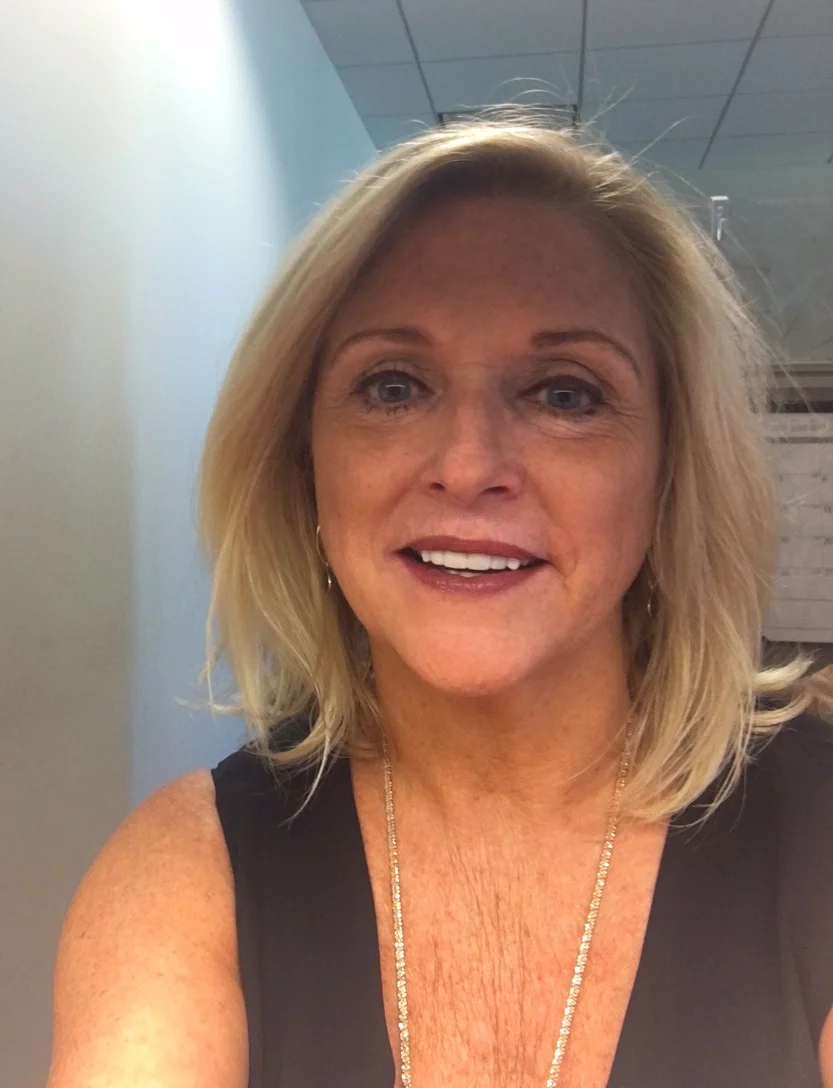
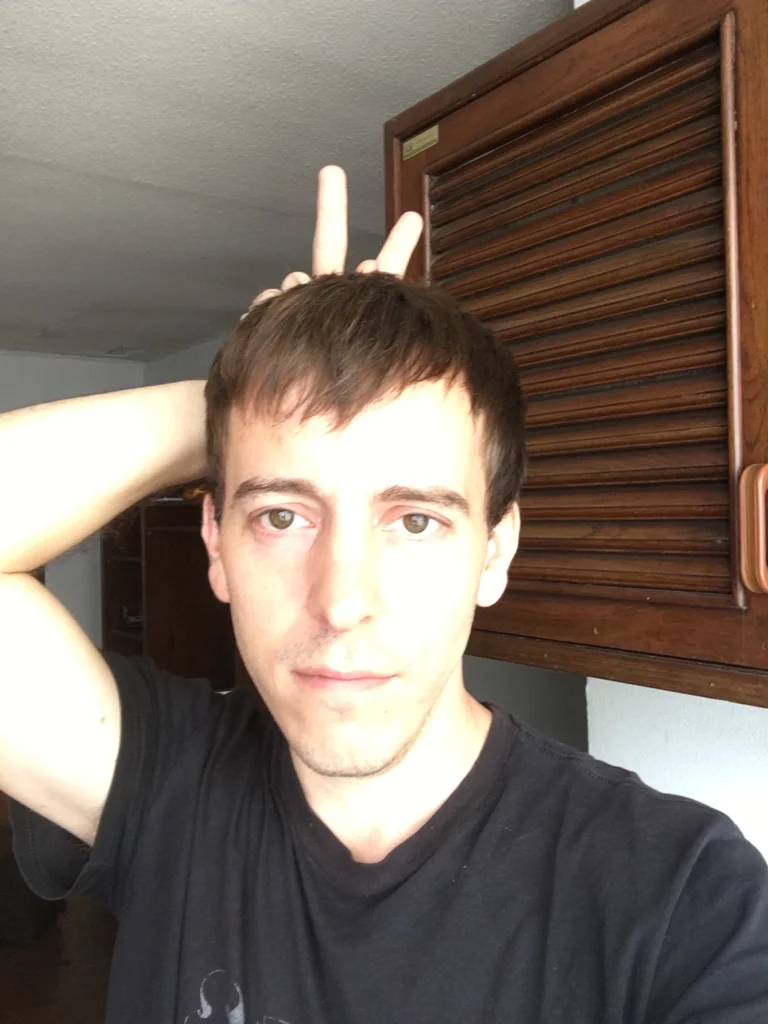
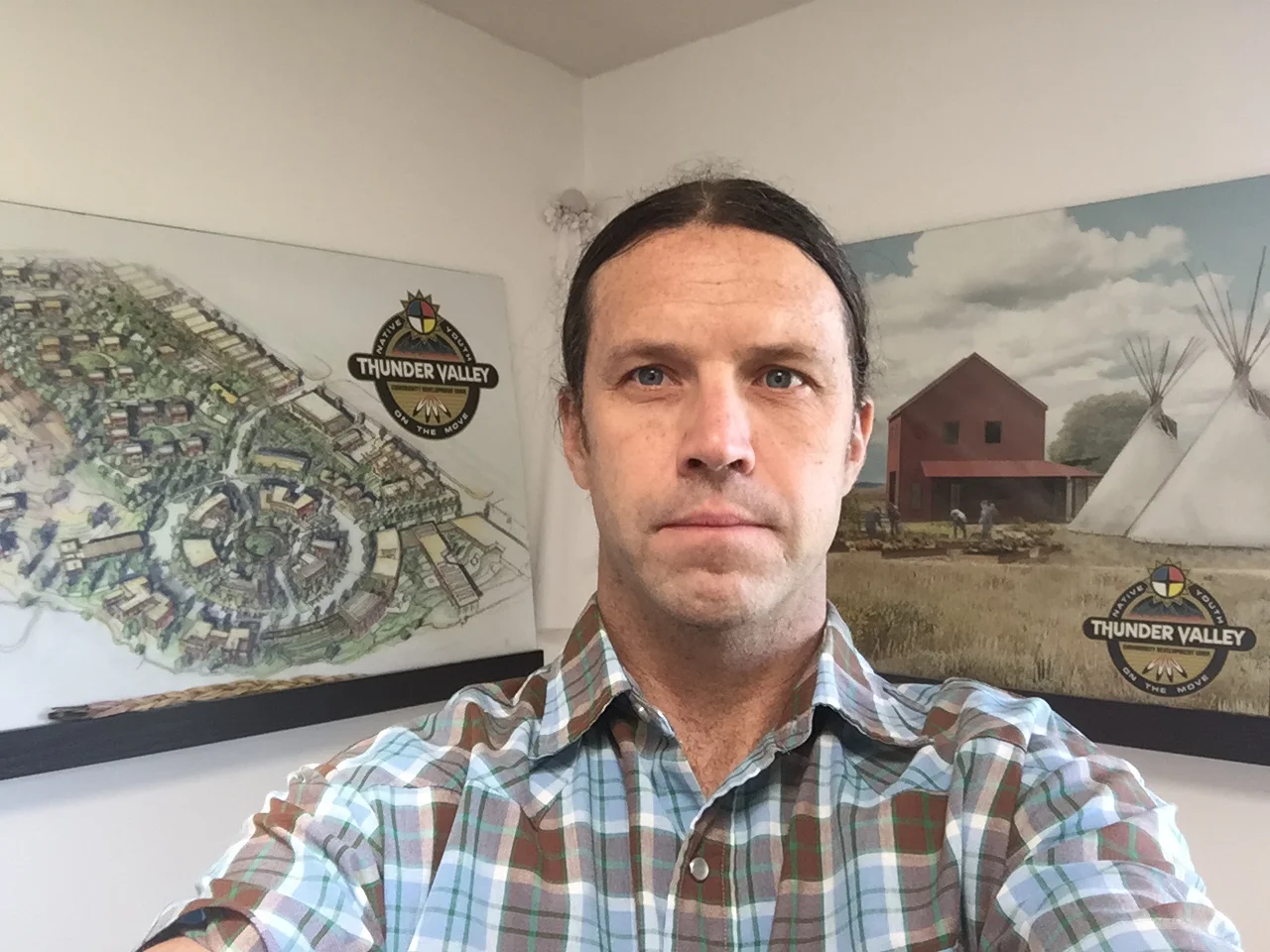
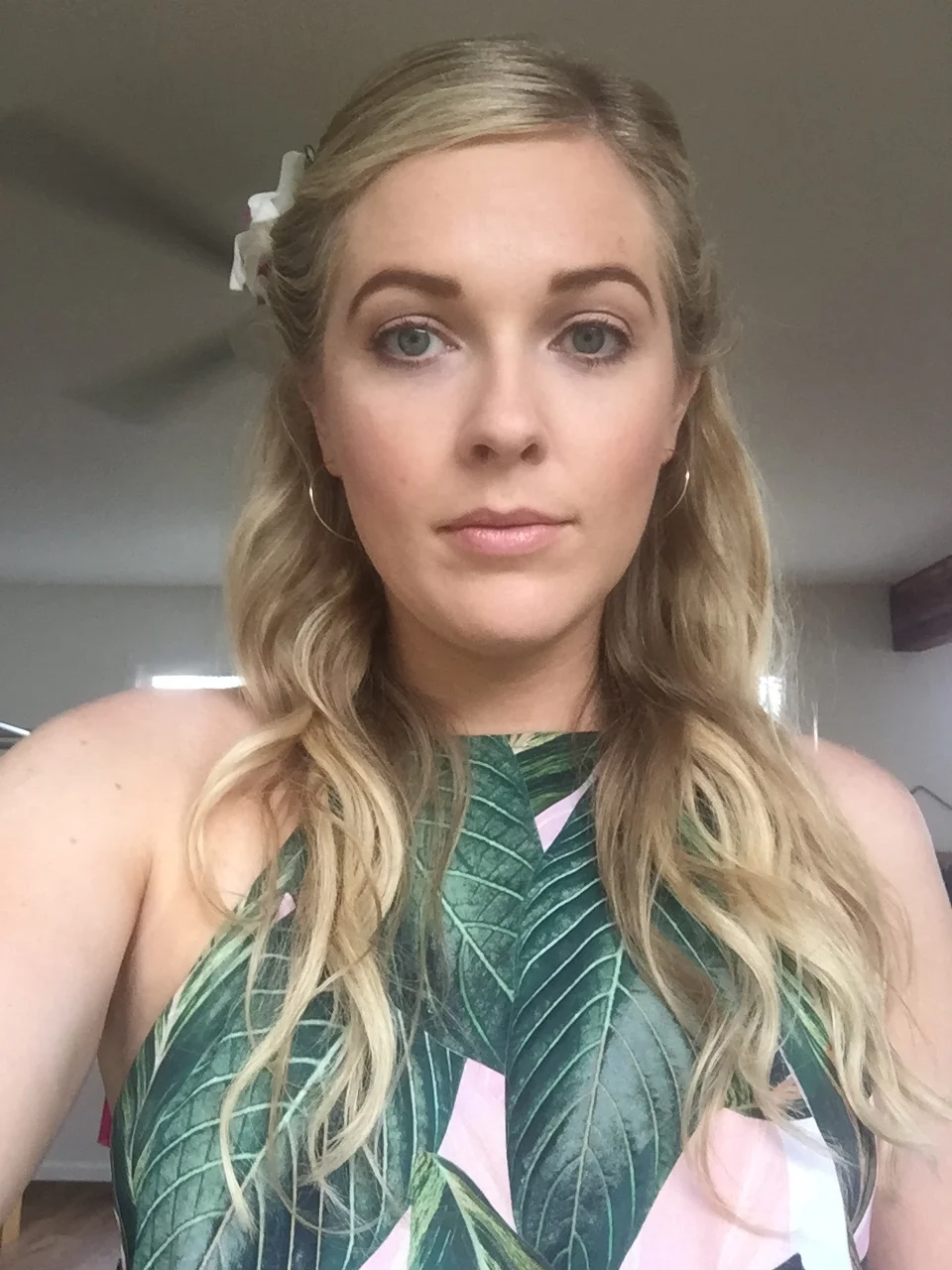
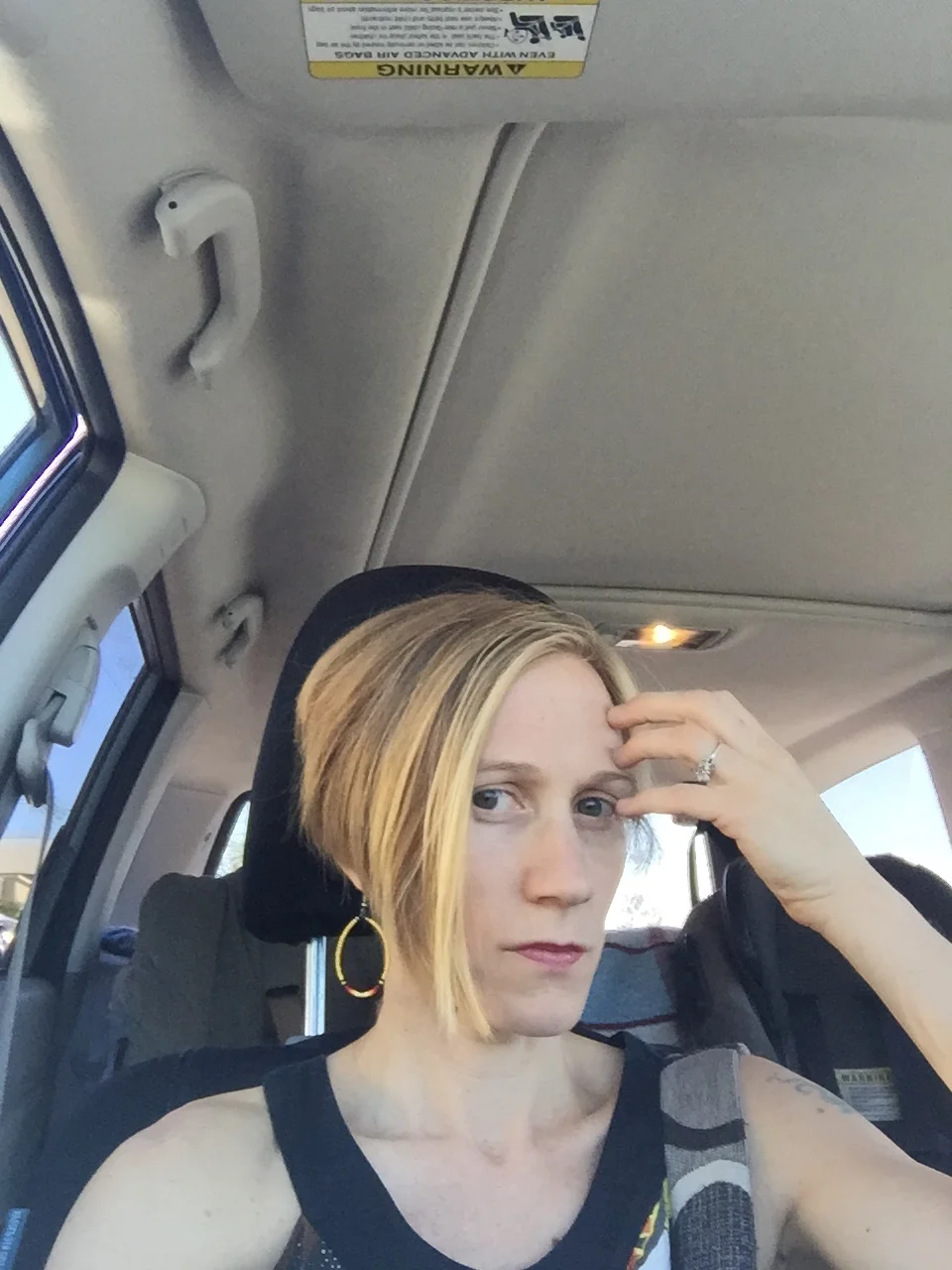
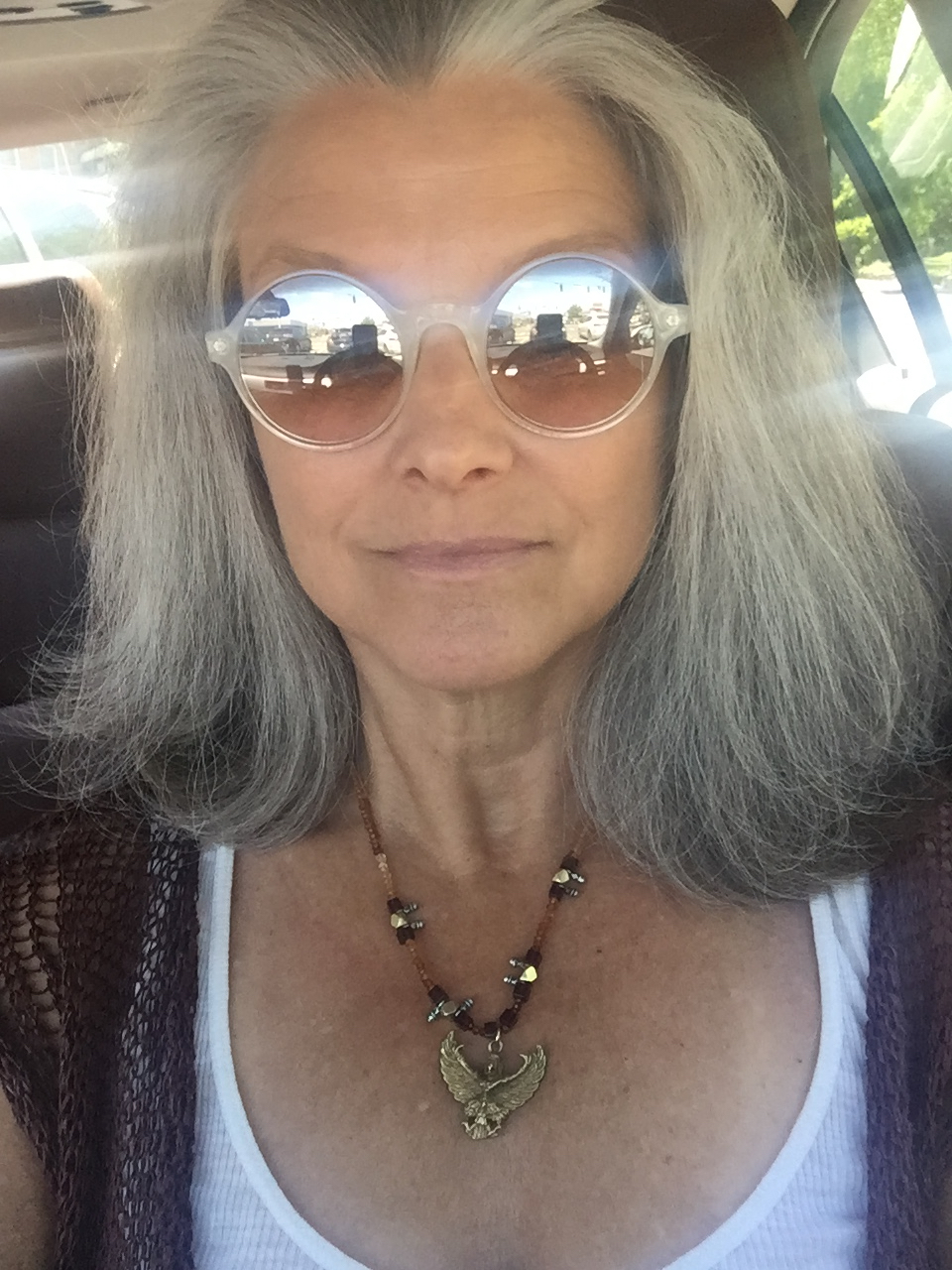
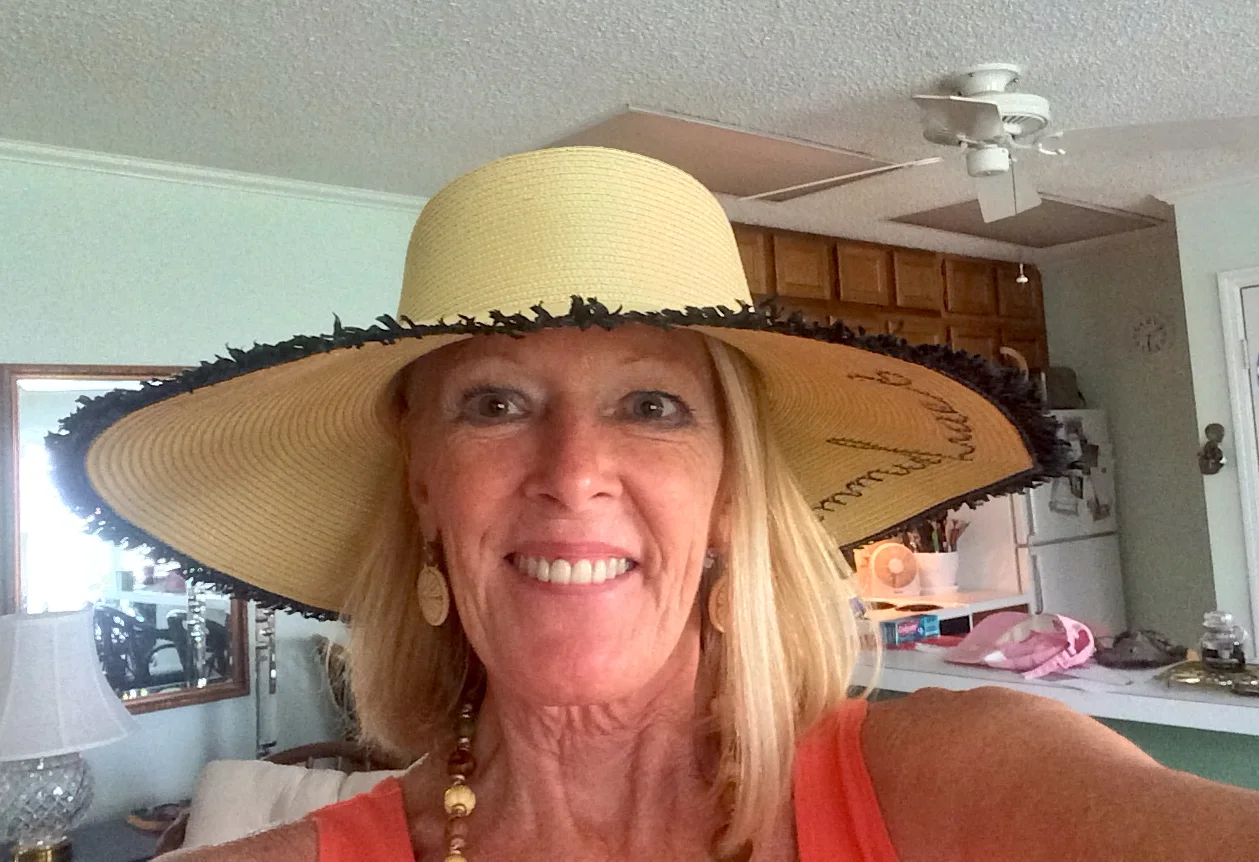
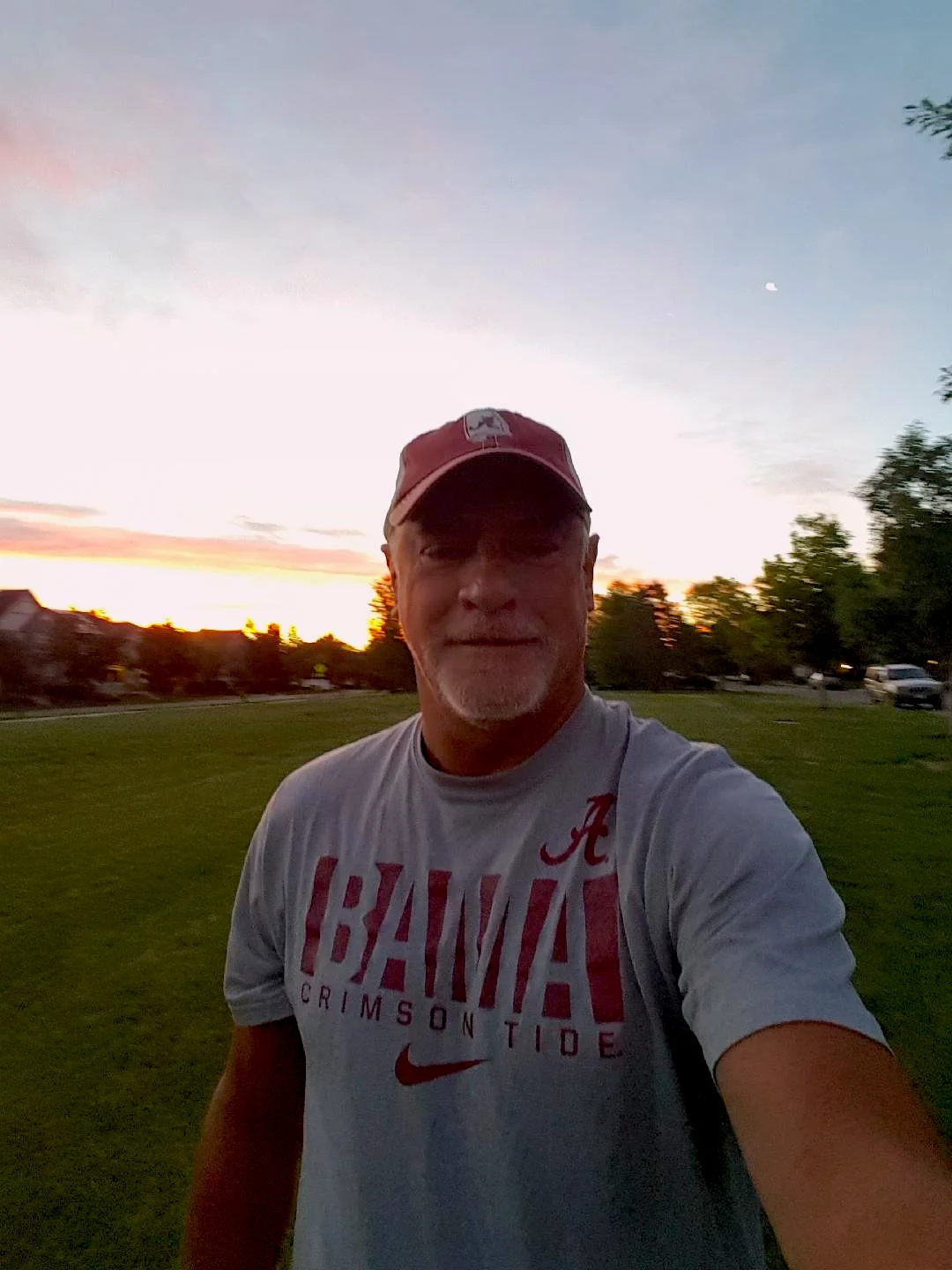
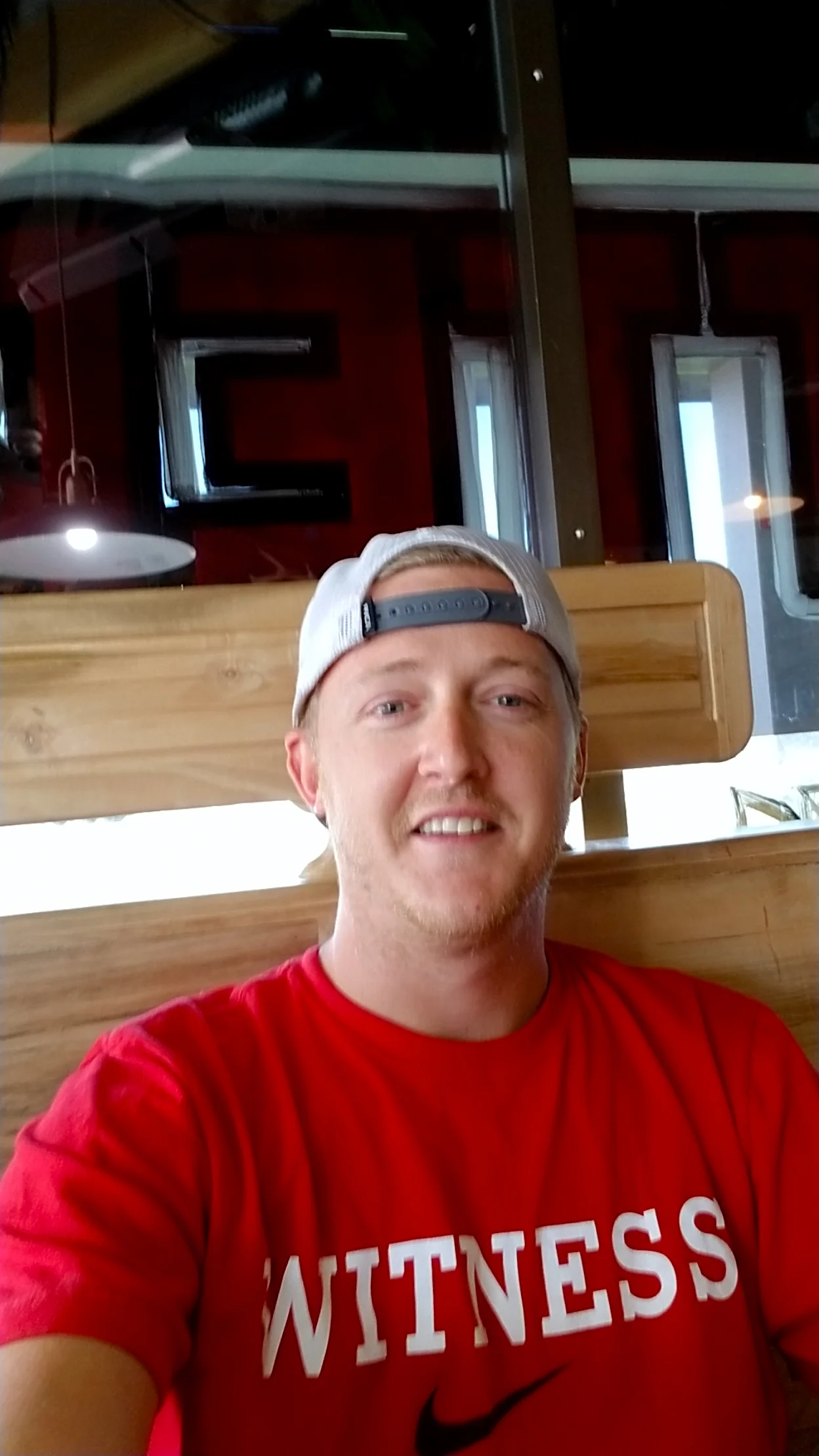
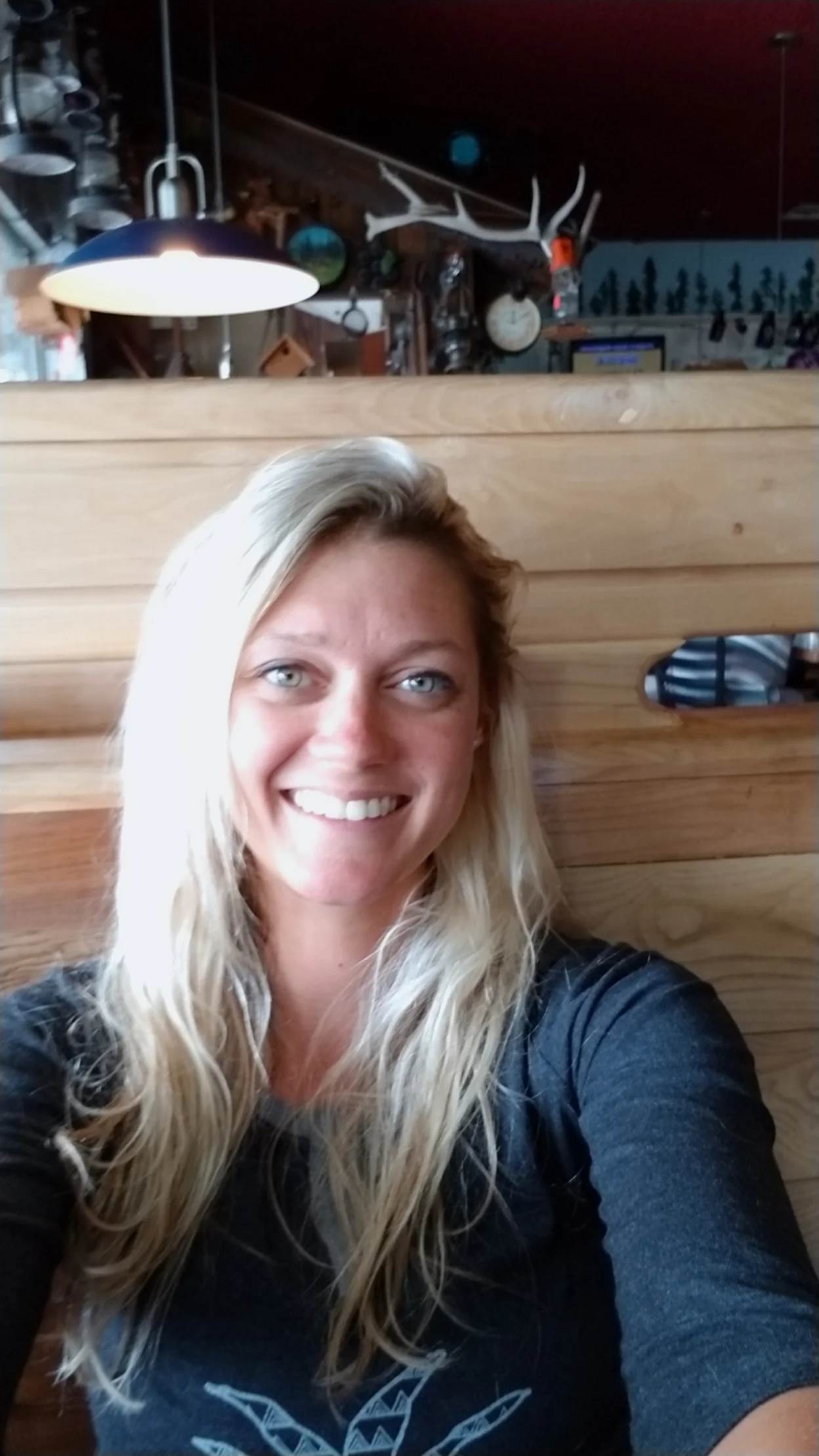
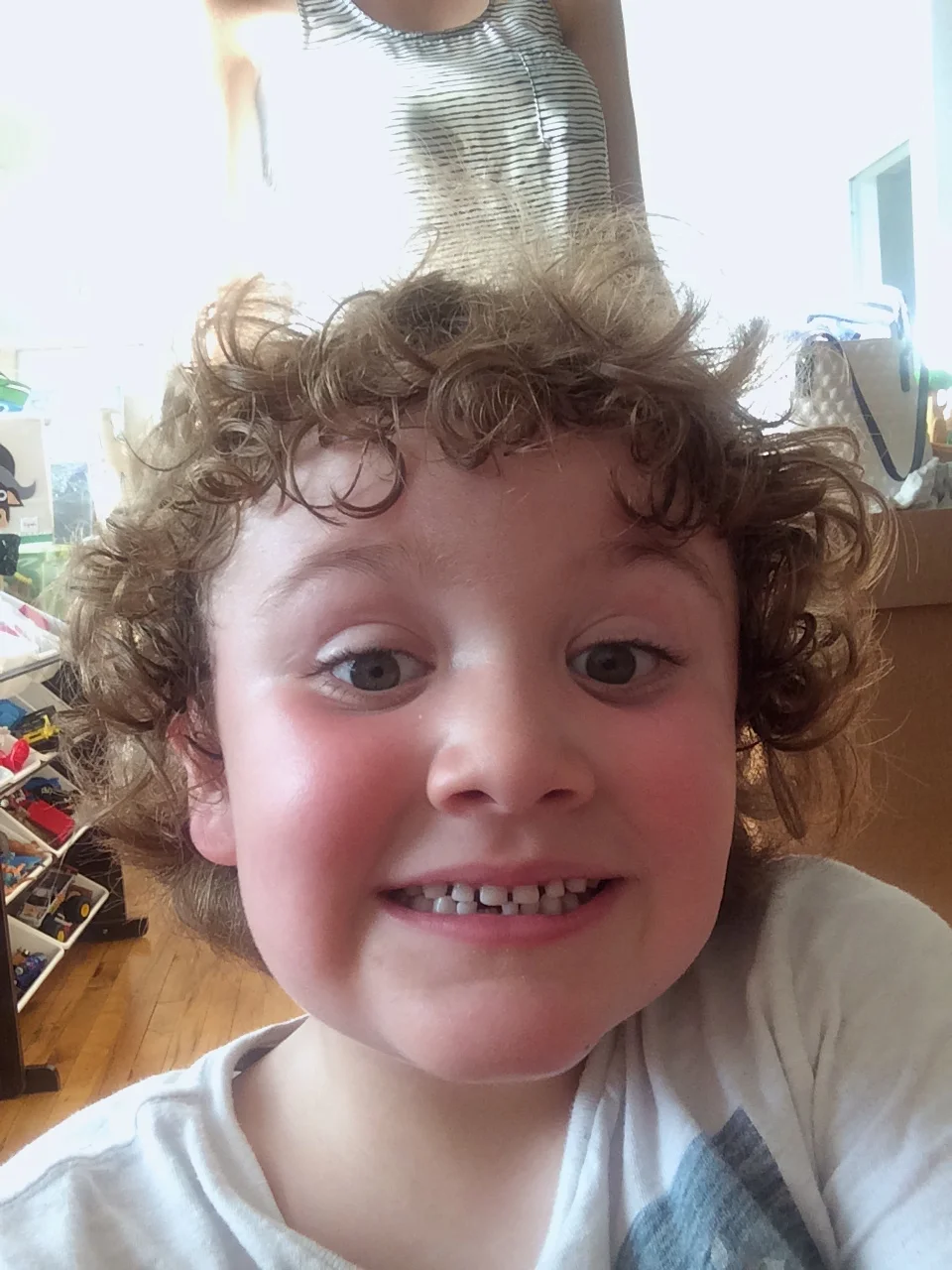
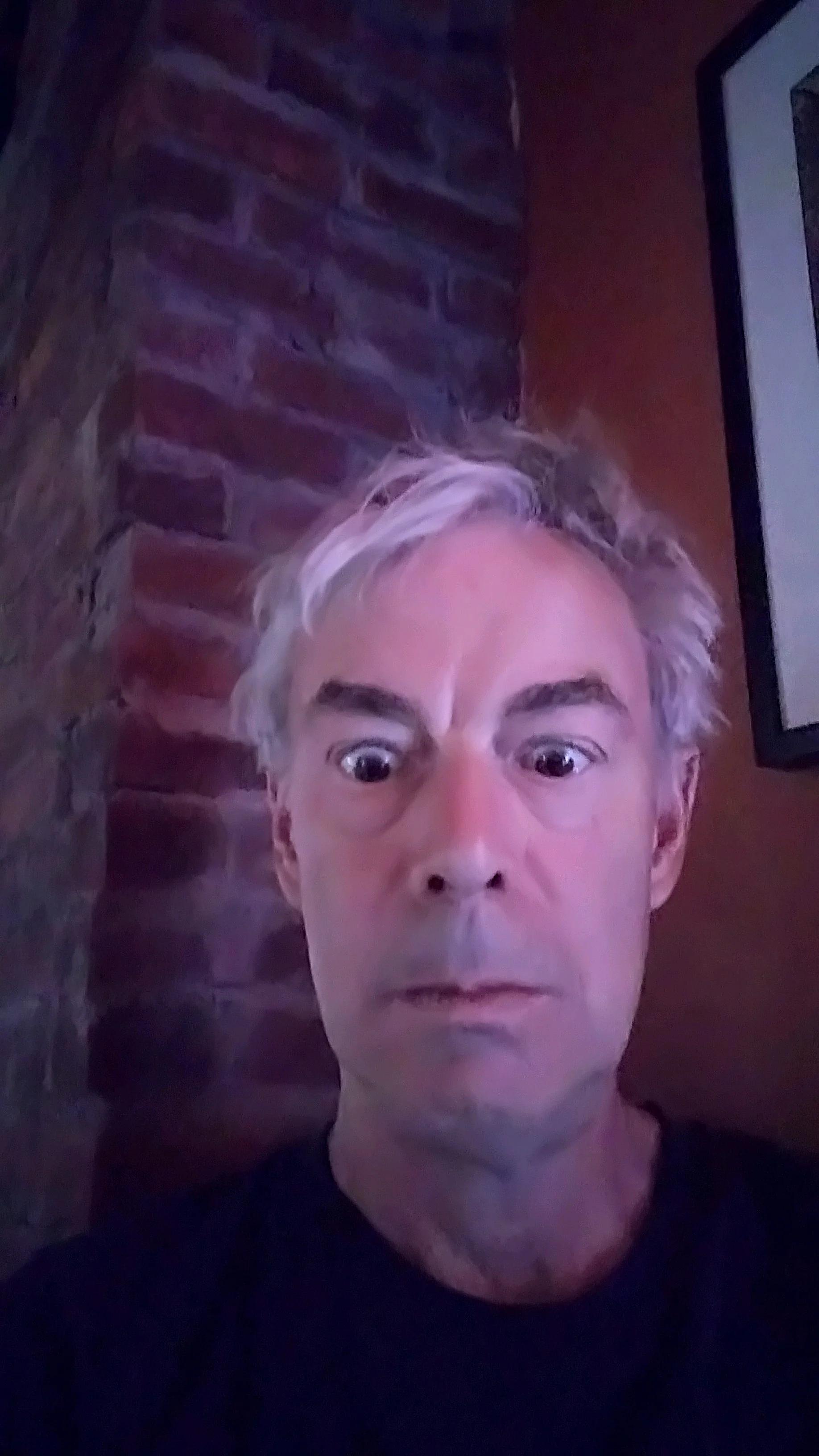
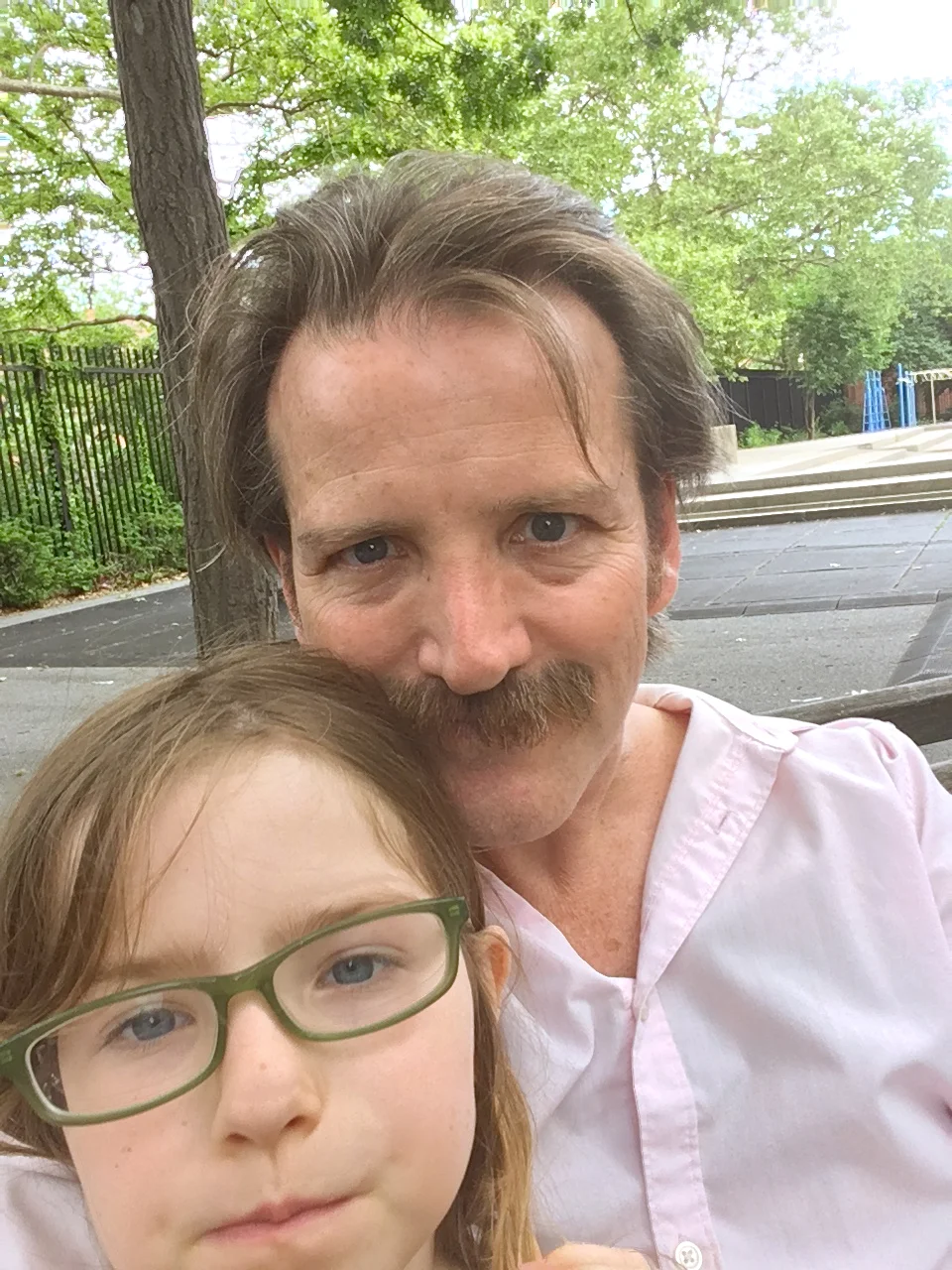
HW#2: SELFIE

IMPACT 25 PROJECT:

PAUL

PAUL

> TITLE: "This is me, NOW" [Is it?]

> Coursework for New Media, New Forms; a foundation class at Columbia University Teachers College (Summer 2017, Instructor: Richard Jochum)

INSTRUCTIONS:

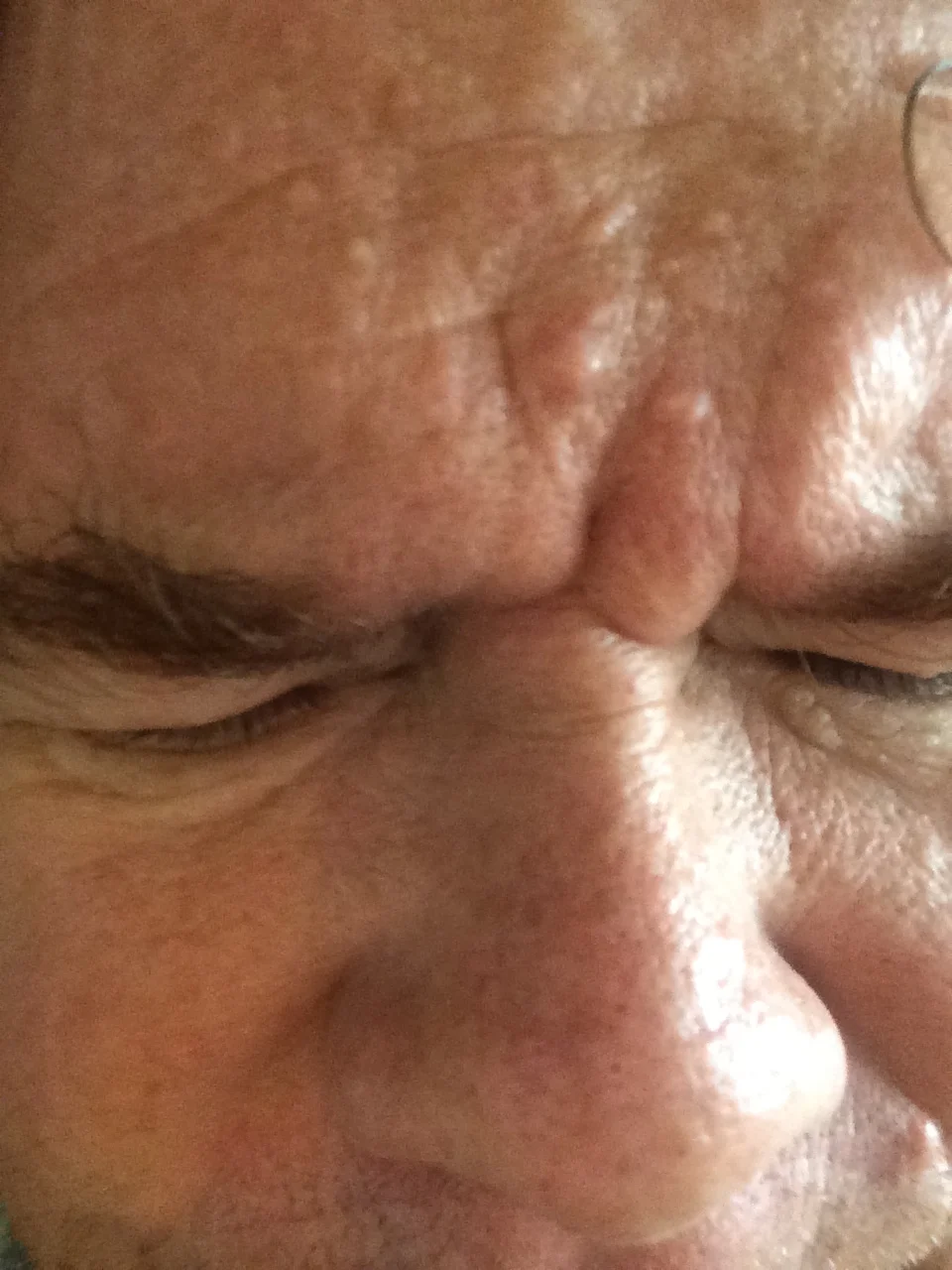
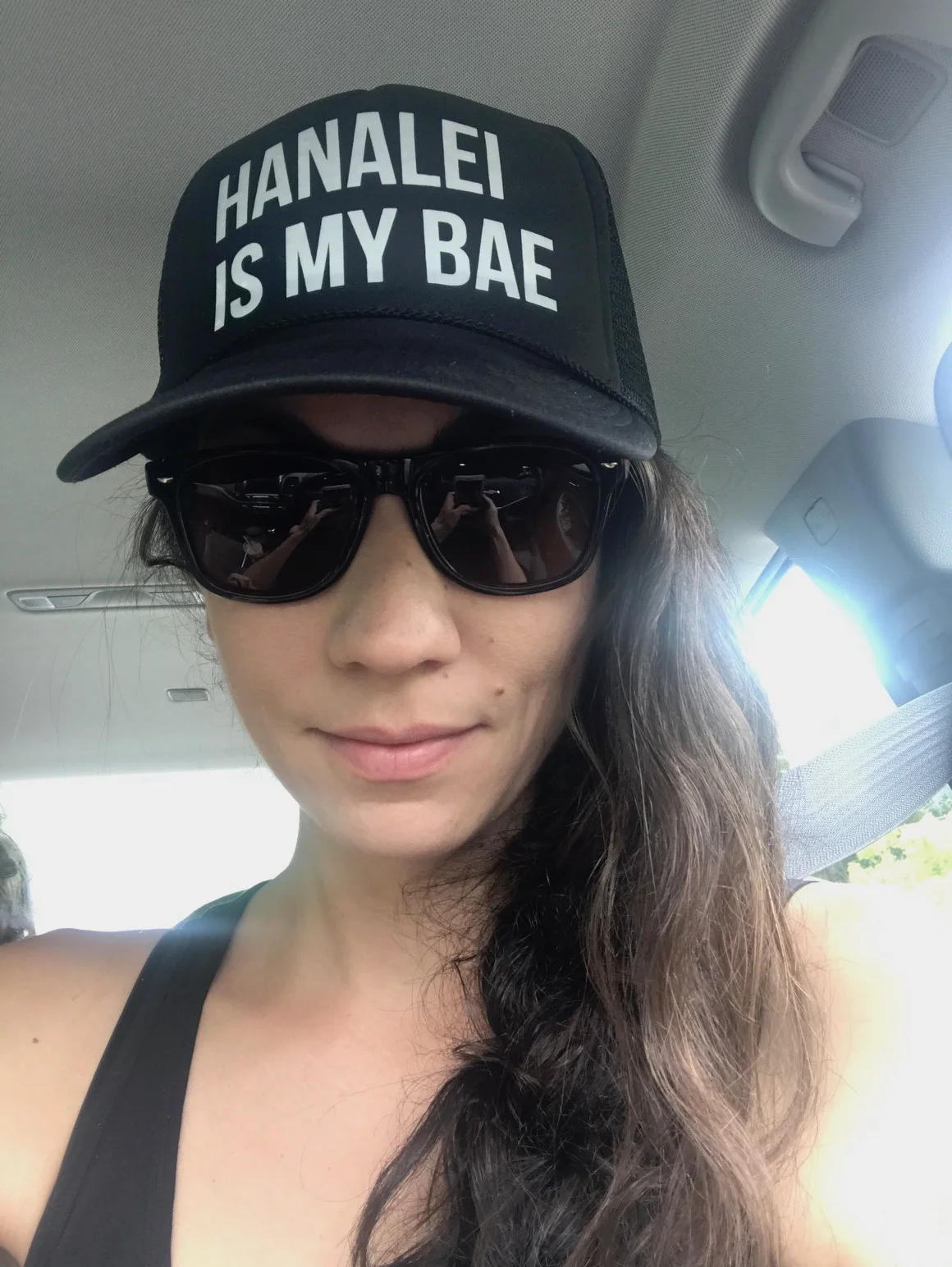
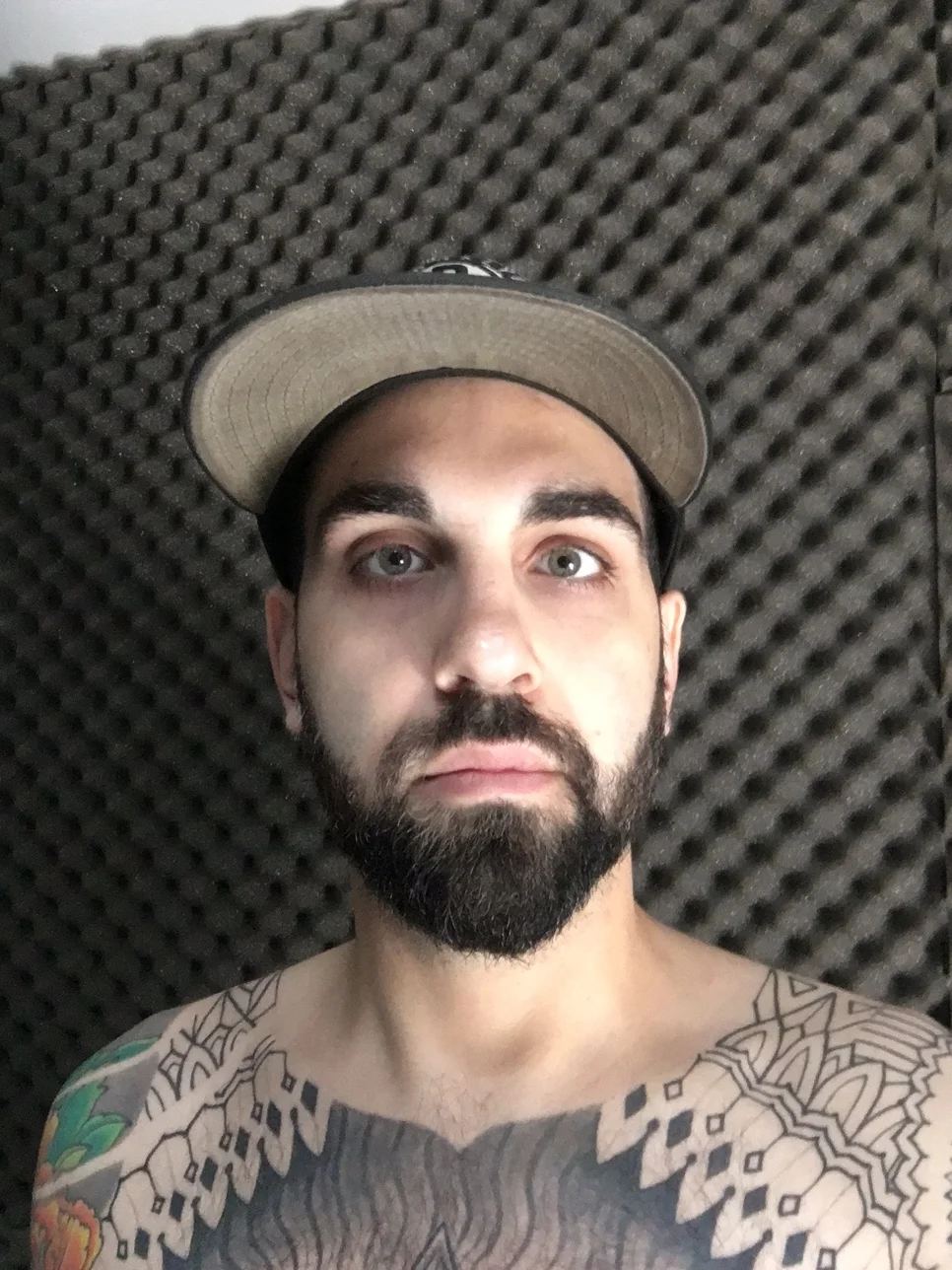
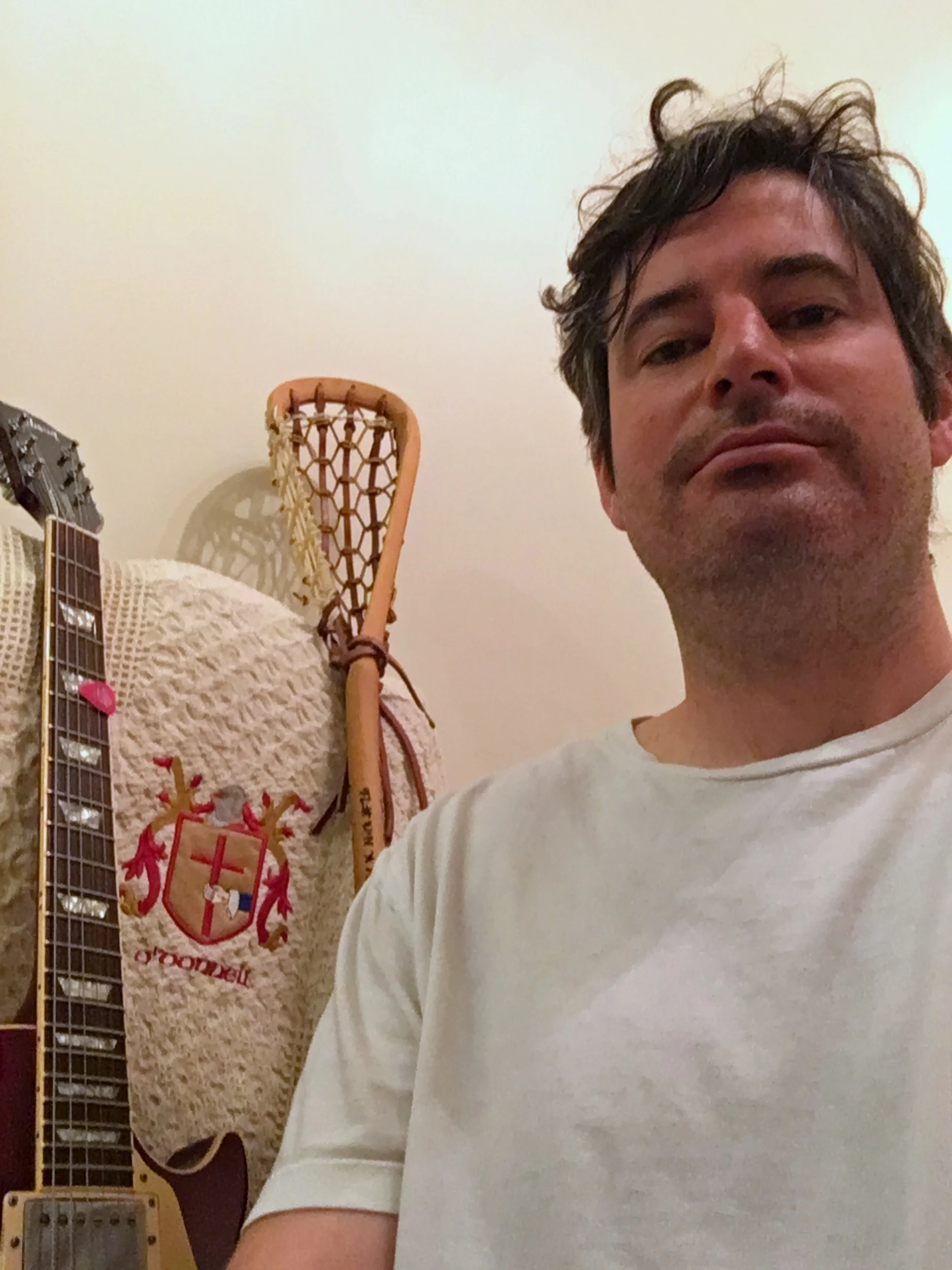
Take a "selfie" with your smartphone camera. Send your photo to artforhumans@gmail.com or simply text it to me. You will be listed below by your first name (only) under the heading "COLLABORATORS."

NOTES: The prompt the command outlined in INSTRUCTIONS above. The "selfie" is the project collaborator's response. The project will question the immediacy of ubiquitous networked technology for image [re-]production, relative to time-as-present-state for the Self, as a function of process for data transfer and presentation.

ASSUMPTION: The obvious in media is not obvious, or the obvious solution is not real.

CONCLUSION: The "Selfie" is a specific type of Mediated Network Performance.

Lauren.jpg Misha.jpg Devin.jpg Mike.jpg Ryan.jpg Scott.jpg Rosita.jpg Sean.jpg Roni.jpg Anne.jpg Robert.jpg Bob.jpg Shane.jpg David.jpg Margaret.jpg Kjerstin.jpg Diane.jpg Beth.jpg RobertP.jpg DavidM.jpg Ashley.jpg Maddie.jpg Lachlan.jpg Jimmy.jpg Will.jpg

COLLABORATORS:

  1. LAUREN
  2. MISHA
  3. DEVIN
  4. MIKE
  5. RYAN
  6. SCOTT
  7. ROSITA
  8. SEAN
  9. RONI
  10. ANNE
  11. ROBERT A
  12. BOB
  13. SHANE
  14. DAVID M
  15. MARGARET
  16. KJERSTIN
  17. DIANE
  18. BETH
  19. ROBERT P
  20. DAVID Mc
  21. ASHLEY
  22. MADDIE
  23. LACHLAN
  24. JIMMY
  25. WILL

NOTES ON COLLABORATION:

I initially reached out to 35 (total) contacts [25 + 10 alternates]. Photos are posted in order of response. Project commenced 10AM, Monday, 19 June 2017, concluded 11:25PM, Tuesday, 20 June 2017. First response: 10:02, 19 June 2017 (LAUREN). Last response: 10:27, 20 June 2017 (WILL). Originating locations of content production include: Brooklyn/NYC; Texas; Colorado; California; Hawaii; Florida; Oregon; Thailand; South Dakota; Tennessee; the sky.

UPDATE:

I'm adding alternate selfies and "ussies" that are trickling in still here:

Benny.jpg Chris.jpg Fletcher_Lark.jpg
  1. BENNY
  2. CHRIS
  3. FLETCHER & LARK
Monday 06.19.17
Posted by Paul McLean
 

Class 2 Activity

Instruction: Leave class, find a subject, and take a photograph (15 min. interval), post to blog.

Proportional (PJM)

Proportional (PJM)

Saturday 06.03.17
Posted by Paul McLean
 

HW#1_8/8: Video Art

Part ONE: Three Video Artists

1. Liza Bear

I met Liza during Occupy Wall Street. She was deeply involved. Liza documented many of the direct actions. She interviewed many occupiers, bystanders and others involved, such as the police. Liza posted her videos to her own YouTube channel, and shared her videos with other Occupy content publishers, including Occupy with Art, for which I was a co-organizer. In 2012 OwA invited Liza to present a selection of short works in an event at Cinema Arts Centre (Huntington, Long Island) titled "Corporations Can't Cry," part of CO-OP/Occufest.

Liza Bear has been making video art since the 70s. Her work is included in the SAIC Video Data Bank and many other collections and has been shown around the world. She has received many awards, including an NEA Video Artist Fellowship (1983). One piece I would emphasize for this is assignment is "Five Video Pioneers," which contains collaborative artist interviews with Vito Acconci, Richard Serra, Willoughby Sharp, Keith Sonnier, and William Wegman. Liza's practice is multidisciplinary. She is an accomplished writer and art magazine publisher (Avalanche, Bomb). A central thread in her work is tech-enabled, creative-activist transmission, focusing on oral history and illustrated/-ive printed matter.

2. Chris Burden

I'm going to defer to this Flavorwire page - the 10th in the series "50 Great Works of Video Art That You Can Watch Online" (24 June 2013) compiled by Reid Singer. If there is one video artwork that is the gamechanger for the medium, arguably this is it. Chris has done a lot of other neat creative/art things, since he made this video.

3. Cory Arcangel

I would like to include another video artist entry on the Flavorwire list, Cory's Paganini’s 5th Caprice, 2011. Cory Arcangel (see honorable mention list/link at the end of HW#1_1/8 below) has also done a lot of clever projects that succinctly clarify the operative features of creative technology. This particular video piece is very relevant to our New Media/New Forms discourse, because it simultaneously exposes so many dimensions of the video-enabled social media, e.g., virtuosity, amateurism, performance, direct education, remix, etc. The genre of video used as the artist's source material is fundamental to democratized web practice. The makers could be cooking, shooting rifles, skateboarding...the demonstrative video production/formatting is more or less identical for all these activities (and millions of others). The compilation of samples in a unified image/audio/timeline, bound by the supra-unifier (Paganini's 5th Caprice) pinpoints the post-digital, dimensional architecture. This is not an abject-sublime binary. This is guitar hero rock'n'roll!

Video Still, 2011 (PJM)

Video Still, 2011 (PJM)

Part TWO: Presentation and Activity

1. Presentation

INTRODUCTION

A discussion of Video/Art (V/A) can adhere to an analysis of the pictorial representation of motion in Western, and now most, art tradition. Such an analysis can be dimensional, and therefore permit progressive analysis of the technology of motion-representation over time, as well as themulti-faceted effects of such technology (i.e., social, political, commercial, psychological, etc.) in communities large and small that create and/or adopt it. "The art world" is one such community. Further, motion-representation technology has generated waves in disciplines like philosophy, especially in the post-WW2 era, as that technology has approached ubiquity. Media philosophy, as practiced by prominent academics and scholars like Geert Lovink, has emerged as a unique critical discipline for V/A, and the video phenomenon in general [See Institute of Network Culture/Video Vortex]. Major cultural institutions have given media discourse, of which video art is certainly part, substantial resources and opportunities to curators, artists and thinkers focused on V/A, as well as exhibition space for such work. New institutions are being established to focus on the field, archives are being created and maintained and collectors, festivals, collectives and "stars" are appearing and gaining notice. For an individual entering the V/A arena "fresh" what might a FAQ for the medium include?

V/A (Short) FAQ

Q1. What exactly is Video/Art? A1. This is an unresolved question. The reasons are manifold. Defining Contemporary Art at all is problematic. A worthwhile followup discussion to Q1 might involve making a list of qualities of V/A that differentiate it from other art and other video, and another list of things V/A shares with other art and other video. 

Q2. Who are prominent V/Artists? A2. This is also a complicated issue. By "V/Artists," do we mean artists who use video (among other tools) in their artistic process, or do we mean artists who only use video to express themselves artistically? Are there examples of Video Native Art? Followup to Q2 could involve making a list of V/Artists (Ryan Trecartin, Pipilotti Rist, Steve McQueen, etc.), and viewing/talking about their work.

Q3. Is video "art," (only) if an artist makes it, or is "in" it? A3. For Q3 questions are perhaps the best answer: so what are the millions of videos daily uploaded to social media publishers, the videos broadcast in "Old Media," the videos distributed through online sources such as Netflix (and pirate sites), etc.? What is porn? And what do you call the massive population, consisting of both pros (not artists) and amateurs, who make all these "not-art" videos?

Jennifer and Kevin McCoy: Installation View of "All Exit" at Johannson Projects (Oakland, CA - 2014-15)

Jennifer and Kevin McCoy: Installation View of "All Exit" at Johannson Projects (Oakland, CA - 2014-15)

V/A SPOTLIGHT

JENNIFER AND KEVIN McCOY

PJM: The McCoys are my favorite video artists. They were visiting artists/lecturers at Claremont Graduate University, while I was an MFA Student there (2006-7). We had a studio visit, I attended their presentation, and their work was covered thoroughly in one of my courses (instructor: photo/video/digital media artist Curtis Stage). To my sensibilities, the McCoys represent the potential of video for a 4D+ art future: They produce collaboratively; they are highly proficient technicians; their work is conscious of media boundaries and blurs them; they engage with what's happening, and their work reflects this; they are keenly aware of the intersections of virtual/actual "worlds;" they profoundly "play" with narrative; plus more.

2 McCoy Interviews and documentation of an early show:

  • https://youtu.be/JVRRNeWiYjU
  • https://youtu.be/ZRKzPYbEG4k
  • https://youtu.be/sxPP2pLDmCE

V/A: BASIC AESTHETIC ASSUMPTIONS AND PRACTICALITIES

V/A raises interesting issues that confront traditional notions of Western art and artist models and logistics. The romantic notion of the artist and artist studio posits an individual toiling alone or with apprentices in a workshop/studio. Idealism pertaining to this narrative project secondary narratives (artistic genius, heroism, for example), which feed a market system based on object scarcity, but also the rarity of "true" artistry. In significant ways, especially today. given the ubiquity of video/video-making, V/A offers a divergent model of artistic production. Another issue for V/A pertains to archival concerns. Is V/A durable enough to be art, as it has existed in Western civilization through at least eight centuries? A follow up discussion might include a conjectural exercise: imagine an artist like Rembrandt, van Gogh or Michelangelo as a V/Artist; imagine (maybe sketch) how their famous works might - might not - translate to V/A output; explore the implications of this speculation in a conversation. 

2. ACTIVITY [Hand Signs]

SUMMARY:

This in-class activity is designed for teams of three (3) participants. The program consists of a short video-making exercise that can be expanded to include post-production, publishing, presentation, real-time documentation, etc. The main conceptual/theoretical/aesthetic components are The Portrait, Signs, Media/Technology-As-Collaborative-Presence-and-Facilitator. The participants do not necessarily need to be familiar with art history, theory and aesthetics to participate in the exercise, which is designed to be a fun team-building exercise. Skill-building aspects of the basic exercise include:

  • "Doing Video/Art" (collaboration)
  • Framing the subject with the device (seeing)
  • Making a portrait (genre)
  • Developing a concept (synthesis)
  • Understanding production (input-output processes)
  • Connecting technologies (multimedia)
  • Representing identity (artistic objectives)
  • Plus more

PROCEDURE:

The exercise requires each participant to have a smart phone with video-making capacity. Additional/optional steps (post-production/editing) require workstation with video-editing software, a shared web platform, and means of presentation [screen or monitor(s), exhibit space, etc.]. Storyboarding can be integrated into the activity, too.

The team creates the staging scenario. This scene can be as simple as sitting around a table or standing around a room, but can be conceived in much more elaborate scale and scope. The participants take turns taking short videos of each other, sitting or standing, framing partners from the shoulders-up in 15 or 30 seconds each segments. Each participant thinks of or chooses two hand signs. One is "positive," such as a wave, peace sign, etc. One is "negative," such as a "stop" sign or "pointing" at the camera. This sign-selection can result from a brief brainstorming session. The participants then shoot 15 or 30 second segments, with the camera focus on the hands. Both shoots basically consist of close-up shots. If the activity extends to post-production, the prime focus in editing will be on sequences the shots. How the shots are sequenced can be a collaborative or group process, or each participant can be given the source material and all can edit the segments as they wish. Afterwards, in either case, the group can gather to view the results.

REFERENCES:

Part THREE: Lesson Plans [2]

1.

TITLE: WHAT IS VIDEO ART? (Part 1): The Rectangle, the Circle and the Record

OVERVIEW

Building on the in-class activity above, we can begin to formulate a performative, meta-space for dimensional [4D+] Video/Art. The initial phase is structural, and the basic "tools" are analog. In a sense the practice is pretense. Participants pretend to create video, as the means by which the complex architecture of "creating" video with a "capture" device is a complex procedure, ripe for analysis, if not critique. The purposes of the machine for animated representation of vision and experience (the camera + screen/projector) are convoluted by many dynamics that are discursively autonomous, such as illusion, truth, extraction, exploitation, productivity, and so on. The superimposition of artificial, layered time features on the image shapes the spectator aspects of the social actions attached to V/A production. By stripping the protocols of the production to their minimal, analog abstraction, a metaphoric geometry plus "real" wetware, the human elements clarify. The exercise begs the question, why is this added mechanical layer needed?

OBJECTIVES

Participants will:

  • Form a multivalent artist collective
  • Create the apparatus for simulating V/A activity out of rudimentary materials
  • Improvise a performance
  • Develop peripheral vision for creative side effects
  • Enhance their comprehension of appearances/disappearance in artistic production
  • Intertwine impulse with progressive constructive ordering
  • Balance the scale of impermanence and permanence in the context of creativity
  • Confront the reality of infinite variation
  • Plus more

MATERIALS

  • Sheets of paper or museum board
  • A lens or lens-simulator (opaque or transparent)
  • String
  • "Columns"
  • Sketchbook or pages
  • Pencil(s)
  • Cutting instrument
  • Clock (functional or not)

DIRECTIONS

Step 1: KSA (Knowledge & Skills Assessment): Engage students in an open, playful Q & A to determine their knowledge of and technical literacy in V/A genre.

Step 2: (Research Phase): Assign research modules to improve knowledge of V/A. Participants should be encouraged to follow their interests and explore identity.

Step 3: (Gear): Introduce participants to the making tools of V/A. These include cameras, tripods, lighting and audio equipment, production hardware and peripherals.

Step 4: (Software): Introduce participants to the available post-production/editing suites for V/A.

Step 5: (Staging): Introduce participants to a range of concepts, practices and samples applicable to the establishment or selection of V/A stages/studios/locations.

Step 6: (Budgeting): Introduce participants to the economics of V/A production.

Step 7: (Presentation): Survey the spectrum of venues for exhibiting V/A.

Step 8: (Forming V/A collectives): Participants will self-assemble into teams, or, alternately, be assigned to a team by the instructor. Considerations include individual skill sets, compatibility of team members, experience and so on.

Step 9: (Brainstorming): Teams will brainstorm together, then separately in timed sessions with the goal of arriving at a narrative for the project. Once the narrative is settled, the teams will discuss what materials might be helpful to develop the narrative within the performance.

Step 10: (Practicing performance): Teams will in timed improvisational exercises practice "call and response" performative action.

Step 11: (Scripting and storyboarding): Introduce teams to sample scripts and storyboards for performance/production. Teams will create simple scripts and storyboards for their concept project.

Step 12: (Assignment of roles): Teams will (s)elect participants to enact aspects of the production. Eventually, each participant will practice each role.

Step 13: (Rehearsal): Teams will deploy their knowledge and skills to refine the project in rehearsals.

Step 14: (Peformance/presentation): Teams will perform/present the project for other teams on a rotating basis. Post-performance discussion can be structured as critique and/or analysis. The instructor serves as moderator.

Step 15: (Publication): Teams will perform/present the project for the public (audience). The audience will be invited to critique/analyze the performance/presentation. Teams, if possible, will perform/present in multiple/variable venues and contexts.

SAMPLE

Team [suggested size: three (3) participants)] cuts a rectangle out of the rectangular sheet of paper/museum board to create a "frame." The columns are affixed to the vertical ends of the sheet. The string is affixed to the "lens" and the resulting construct is suspended from the top leg of the "frame." This apparatus is the "camera." One participant plays the V/Artist. The other plays the "subject." The third participant chronicles the action/dialogue in the sketchbook, via drawings and text.

EVALUATION

(Proportionate) Instructor evaluates participant/team on relative (internal) scales to gauge aptitude, openness, performance and work habits. Synthesis of concept/tasks/craft/research samples - all elements in process - critical.

ASSESSMENTS

  • Journal
  • Research profiles/essays
  • Proficiency with tools (observed and tested)
  • Participation and attendance
  • Performance/Presentation
  • Peer2Peer and audience evaluations
  • Self-assessments

2. WHAT IS VIDEO ART? (Part 2): Tripartite Supra-/Hyper-documentary

OVERVIEW

In this seminar we will apply a meta-layer to the in-class V/A activity, Lesson 1 and an additional exercise, in which team participants employ actual video cameras and V/A processes within the architecture(s) developed in the first two "performances." The extrapolation of design-fiction theory (ref./ Bruce Sterling) to create simultaneous true/false conditions in the social organization will translate to "art" in practice. The candidate will select and hire a professional-grade video documentary crew to effect the concept. The output will be a finished 4D+ V/A. 

OBJECTIVES

Candidate will:

  • Serve as lead artist at all stages of production
  • Assign tasks
  • Manage budgets, personnel, workflow, timelines, deadlines, tool maintenance, deliveries and transport, etc.
  • Maintain project discipline and focus
  • Communicate necessary instructions, make adjustments to production parameters, negotiate for and secure exhibition space(s), handle all aspects of distribution, produce marketing materials, attract positive press, monitor audience development, etc.
  • Secure funding for the project, disperse stipends and pay, and document the economic model used in production for future template purposes
  • Be responsible for employee/participant morale and relations
  • Protect project integrity and ensure consistency of vision throughout the process
  • Plus more

DIRECTIONS

Phase 1: Conduct In-class Activity/Lesson 1 & 2, as directed.

Phase 2: Integrate documentary crew with participant actions.

Phase 3: Database all content.

Phase 4: Produce the documentary. [The MTV "Real World"/Reality TV model is the key reference.]

Phase 5: Sell the product.

Phase 6: Invest the proceeds.

Phase 7: Develop/Produce the sequel or series.

Phase 8: Manage project brand/identity.

Phase 9: Produce secondary market materials (how-to/making-of documentaries/texts, exhibition of artifacts attaching to production, etc.)

Phase 10: Maintain audience/sponsor attention throughout process via social and tactical media.

Phase 11: Syndicate.

Phase 12: "Come out" as an/the artist (in traditional media).

Phase 13: (Extra credit) Create fictional "flame-out" and subsequent "comeback" scenarios.

Phase 14: Retire rich and famous to secluded and/or exclusive/exotic locale, and/or the Upper West Side, or similar.

Phase 15: Compensate instructor accordingly.

EVALUATIONS AND ASSESSMENTS will be market/competition-based, and revisited over the project duration. Necessary adjustments for evolving standards, media topology and practices will be made. Candidate/project longevity is prioritized.'

PJM's online V/A archive is here: https://www.youtube.com/user/artforhumans/videos

SLIDES

eye.jpg
5_17_PROJ4.jpg
audition1.jpg
opfeek.jpg
UF2.jpg
hand-painted.jpg
theartistseye.jpg
hello.jpg
cac-theater.jpg
Tuesday 05.30.17
Posted by Paul McLean
 

HW#1_7/8: IMPACT25 Project Prospectus

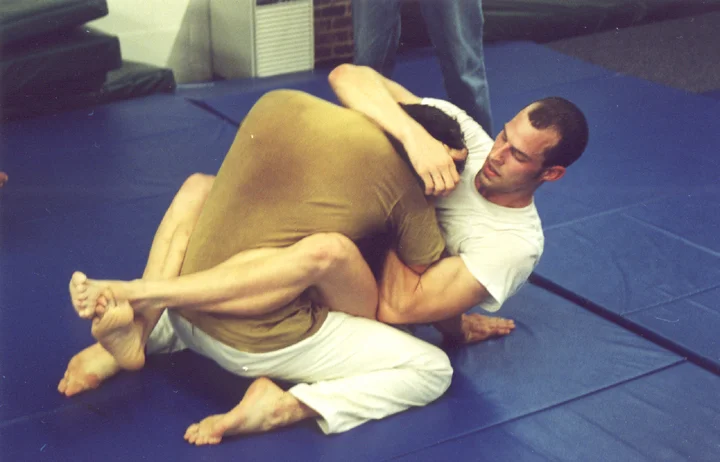
Grapplers #3 (PJM, 2000)

Grapplers #3 (PJM, 2000)

TITLE: "My Favorite Move"

"'Grapplers' with Vision Channel Device" (From 4D Manual 2000)

"'Grapplers' with Vision Channel Device" (From 4D Manual 2000)

SUMMARY: Brazilian Jiu Jitsu (BJJ) is now recognized worldwide as one of the most effective martial arts. The documented history of BJJ is particularly rich, due in large part to its association with Mixed Martial Arts (MMA) promotions, such as the Ultimate Fighting Championship (UFC). Success by its practitioners in a variety of competitive arenas, local to global, has solidified BJJ's reputation for utility and excellence and expanded the familiarity of BJJ among martial arts fans, appropriation by trainers for professional military, self-defense and police applications, and interest in the media. "My Favorite Move" (MFM) is a multi-layered arts project that approaches BJJ from a specialized, New Social Media Artist angle, applies new production technologies to the base concept, is interactive and generative, is rooted in a Shared-Interest Model (S-IM) and yields art objects for presentation in a fine art context.

ARTIST NOTES:

Background

My first art project incorporating representations of BJJ was the DDDD Project "INSIDE>OUTSIDE" (Parthenon Museum, Nashville, TN 2000). Filmmaker/artist Brent Stewart, who was a core member of the DDDD collective at that time, also produced video elements captured from BJJ practice. Our source material was provided through collaboration with Combat Submission Club, where I trained/instructed MMA at that time. I associated the intricate movements of grappling and other fighting techniques and disciplines with 4D Wovenform. I produced a series of digital prints mounted in light boxes and manipulated videos for the I>O exhibition, featuring combat arts and artists. The aesthetic questions in play are:

  • What is art?
  • Who is an artist?
  • What is art for?

My interest in the comparative juxtaposition of combat arts and fine arts arises from curiosity about what these disciplines (MMA and Fine Art) share, in addition to the term "art." Obviously a practice of jiu jitsu, for example, is not the same as creating a painting! However, beyond a superficial rejection of these disciplines' being meaningfully associative, I found many intersections between them, especially at the structural (if not objective) level, and also within a broader cultural, social, psychological - and craft - basis. The key for me was to dismiss the exclusionary, contemporary impulse to reduce and segregate the actions in question - fight (destructive) versus create art - in a false, or at least arbitrary, binary. The positioning of these disciplines in conjunction initially required the minimization of immediate, or specific cultural, bias. Research assisted in this regard. Not all cultures associate martial practice with "bad" and art with "good." At the tribal level, and in certain more "civilized" societies, there are many examples of martial practice and "art" occupying the same productive social spectrum, along with many other activities. Japanese society for instance is an example of society that has at depth integrated martial arts within its identity, and this integration is in many ways expressed through Japanese "creative" arts. My study of the general relationship between "war" and "art" is ongoing. Instructors like Friedrich Kittler have expanded the parameters of my investigation to include technology and communication. Essentially and systematically, it seems that art and the destructive machine share deep roots not only in the West. I have found this inquiry to be a profound resource for content throughout my artistic progression.

"Wovenform7" [Analog mixed media drawing, scanned, digitally manipulated (2003-5)]

"Wovenform7" [Analog mixed media drawing, scanned, digitally manipulated (2003-5)]

LINKS:

  • View the entire I>O Lightbox gallery including the finished grappler images (modified Flash module, re-sized/format-converted digital images from original print files, first posted at Art for Humans website in 2001, re-posted/-published elsewhere), here: http://www.artforhumans.com/archive/09lightboxgallery/lightboxgallery.html
  • Installation views of the I>O exhibit https://www.flickr.com/photos/artforhumans/albums/72157613410478434/

MFM:

Recently, my 5 year-old son began training in BJJ at Fabio Clemente (Alliance) Jiu Jitsu in Manhattan, and I began training at Renzo Gracie Fight Academy in Brooklyn. After reviewing the guidelines for Impact 25, I thought of this project (MFM) for my NMNF coursework. I envision MFM as a fun way to integrate a variety of media and technologies into a production program that is viable as a community arts exercise with educational features and as a content-generator for presentation in a fine arts context. The project contains a number of social and distributed media opportunities that support the output objectives. Given the burgeoning popularity of BJJ and MMA, and very little prior crossover with the mediatic "artworld" (although there are plenty of referential and precursor materials - such as Bellows' boxing paintings), the creative enterprise feels timely enough. Not a minor detail: I find the focus of the project inspiring and compelling.

PRODUCTION PHASES:

PHASE 1 (PROPOSAL):

  • Permissions: To begin, I will need to approach the two BJJ schools with the MFM project concept, present a project outline that describes the types of access, production logistics, content usages and outcomes pertinent to schools, participants in their decision to either "buy in" to the idea (or not).
  • If I receive permission to proceed, I will produce a document that summarizes MFM and documents the permission of the schools, as well as a form for each participant to sign, which reiterates the summary as it applies to them. Then production can commence.

PHASE 2 (PRODUCTION):

  • I will create short videos of 25 BJJ practitioners identifying themselves, giving a brief introduction to their BJJ background (practical level, reflections on BJJ, etc.), describing their favorite BJJ "move" (technique) and demonstrating that move with a partner. These 25 short videos will be edited into a single video, perhaps with contextual material and aesthetic enhancements added. Images sequences will be selected from this portfolio, and a graphic element will be superimposed on the raw video, tracking the decisive elements that make up the "move." These elements can be translated to a set of directional and "force" vectors and extracted from the video to create a "drawing" of the move. This drawing can be expressed through a variety of mediums, including digital still images (for print and/or web) and animations, laser cut in various materials, and combined to create a wovenform that can be 3D printed. The audio material produced during video gathering can be manipulated and composed as a derivative soundtrack for presentation in the exhibit context, as video "soundtrack" and in web-based applications. Additionally, the artist will produce a series of "analog" drawings and paintings for MFM.
  • Schools and participants will have access to all materials produced by the artist. These materials will be shared within the collaboration on a Creative Commons basis. Where possible, the artist will offer schools and participants project output - including the exhibit objects - either free or at cost, depending on the content's virtual/actual features. 

PHASE 3 (PRESENTATION):

  • The primary artistic objective of MFM will be to produce a professional-quality art exhibit at an appropriate venue (which of course could be at TC). Additionally, the artist will produce a professional-quality website for the project. Documentation of the project will be located in an archive on that site. A print catalog (book) plus media will be produced for distribution during the exhibit.
  • The core/source materials will be published in a variety of online/social media formats.
  • Consideration for the IMPACT25 concept originator and other iterations of the project will be linked. The nature of the linkage/attribution will be determined via collaborative discussions with Professor Richard Jochum (and other IMPACT25 creatives, as warranted). 

PHASE 4 (DISTRIBUTION OF PROCEEDS):

  • A fair economy will be established for the distribution of any and all proceeds deriving from the project and its outputs. The nature of that economy will be determined via discussions with Professor Richard Jochum, the schools, the participants, and logistical support team (if there is one).
  • The goal of this phase is to promote an equitable model for artist practices involving communities whose activities, ideas, people, etc. provision the content of the "art." In such a model, the "art" and "artist" perform reciprocally with the community, and that performance is constructed to be materially, mutually beneficial.

TECHNICAL NOTES:

Some of the elements of this production (e.g., vectoring athletic movement as a kind of graphic data visualization in multiple media formats) are done with great expertise, by professionals with relatively massive resources at their disposal. To illustrate this statement: watch a World Cup soccer match, NBA or NFL playoff game. The technology for the process I am outlining above has applications outside "art." "That space" "outside 'art'" is dominated by fields such as entertainment media, governed by certain eventualities, which may intersect with spectacular practice. I am interested in the juxtaposition of the realms of "art" and these popular modes of diversion, if that is what they are, and the philosophical, political, industrial and economic or industrial they embody and represent. The aesthetics of MFM involve central artistic premises, which correlate to premises underpinning martial arts (specifically, the current "state" of BJJ/MMA), including:

  • The Portrait
  • The School
  • Craft
  • The Student/Teacher (Master) hierarchy
  • Action
  • Spectator
  • Culture
  • Local/global currency
  • Costs and Rewards
  • Signs and Signals, Costumes and Codes
  • Measures of Success (Competition)

I envision MFM as a means by which to draw out the ways fine arts and martial arts intertwine as phenomena for us. Having already worked with this subject for artistic purposes, I feel confident that the source material is conducive to the production of potent images/art, sounds, environments, etc. Furthermore MFM is a fine vehicle for tracking a truly international phenomenon: the evolution of BJJ starts in Japan, moves to Brazil, then the USA and to the world. Its prime nodes (schools, clubs, gyms, etc.) are scattered across the globe. To an extent this is an immigrant story, a narrative that encompasses a study of craft and cultural transmission, but also the manner in which social hybrids form and those forms mutate and reform over time. The story of BJJ is a family story, rhizomatic in its structure. The dispersal of the family knowledge is conducted through a lineage that contains drama, dramatic personae and moments, arcs and descents. The public nature of martial arts competition, the private nature of its practice and the "secrets" that pass among the initiated foster a rich epistemological/technical mix. The phenomenon would not I believe be possible without the means the current media complex enable, in terms of access and reach. The people who practice BJJ comprise and incredibly diverse and dispersed population. Events are sites of gathering and media projection to ever-larger and better-informed audiences. BJJ/MMA practitioners, especially "stars," are developing crossover careers in movies and other modes of entertainment media. MFM has the potential as a dimensional arts project to represent all the threads mapped above and more.

iNSIDE>OUTSIDE (installation view/Parthenon Museum, Nashville, TN), DDDD, 2000. In background, lightboxes by PJM and projection video by Brent Stewart.

iNSIDE>OUTSIDE (installation view/Parthenon Museum, Nashville, TN), DDDD, 2000. In background, lightboxes by PJM and projection video by Brent Stewart.

Monday 05.29.17
Posted by Paul McLean
 
Newer / Older