C. True Time & the Event
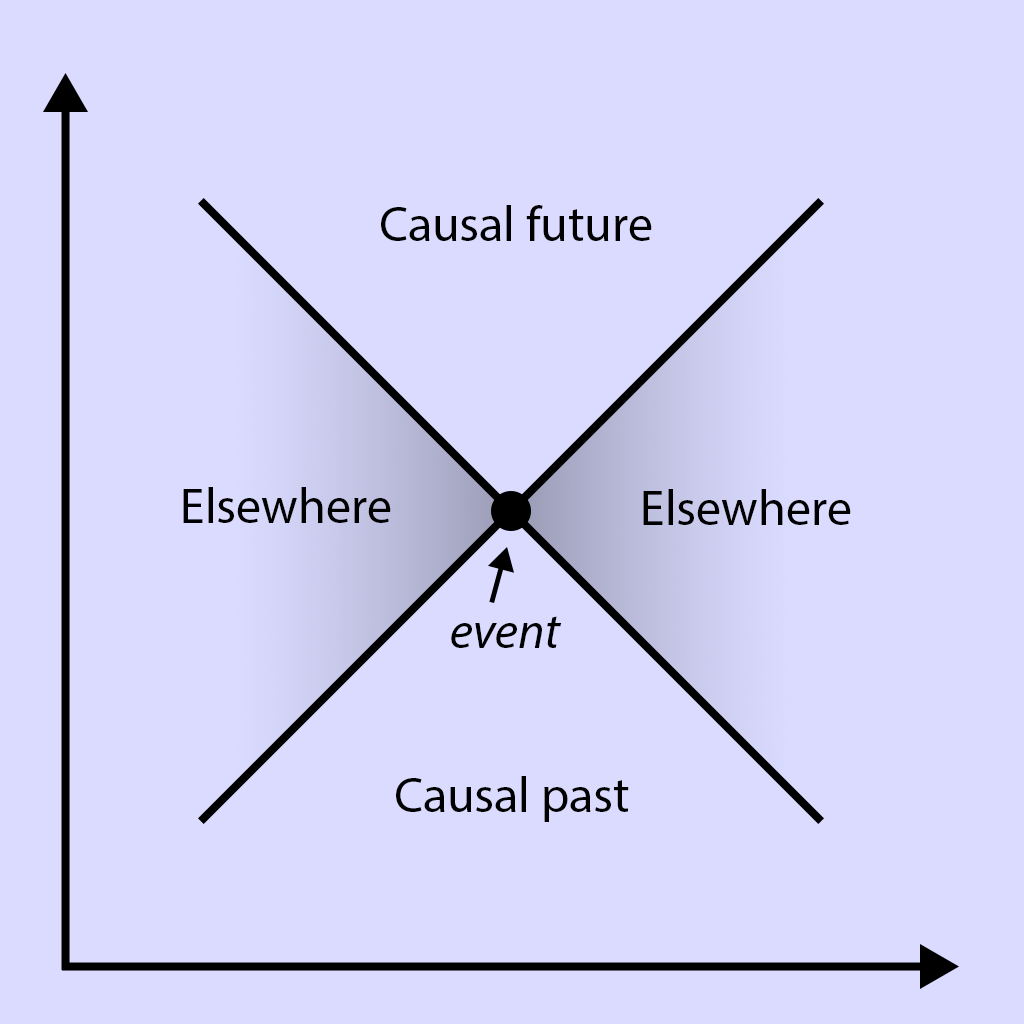
Heidegger, in Time and Being (p. 15/26):
…We already heard: In the approaching of what is no longer present and even in the present itself, there always plays a kind of approach and bringing about, that is, a kind of presencing. We cannot attribute the presencing to be thus thought to one of the three dimensions of time, to the present, which would seem obvious. Rather, the unity of time’s three dimensions consists in the interplay of each toward each. This interplay proves to be the great extending, playing in the very heart of time, the fourth dimension, so to speak – not only so to speak, but in the nature of the matter.
True time is four-dimensional.
But the dimension we call the fourth in our count is, in the nature of the matter, the first, that is, the giving that determines all.
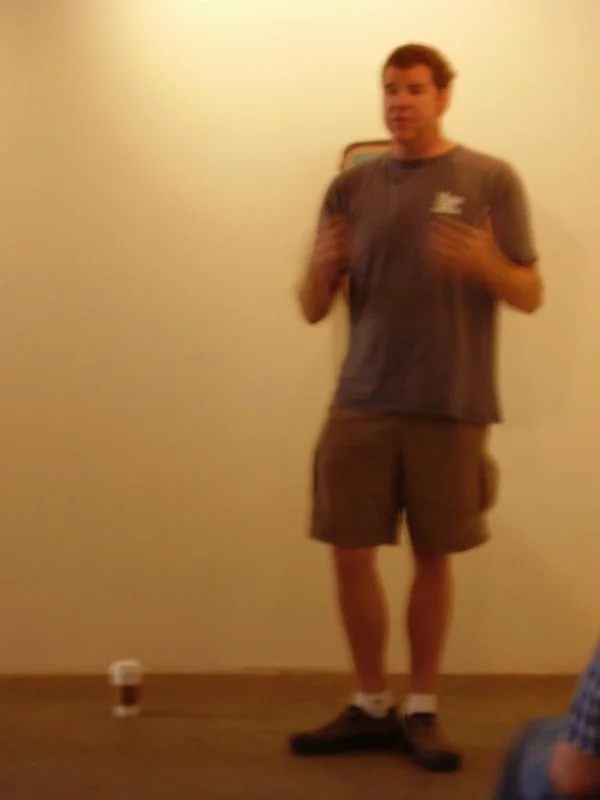
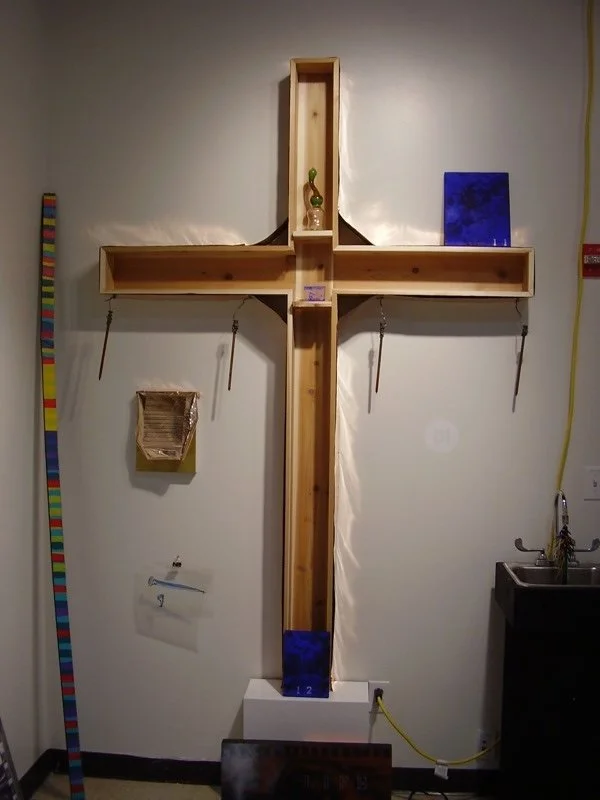
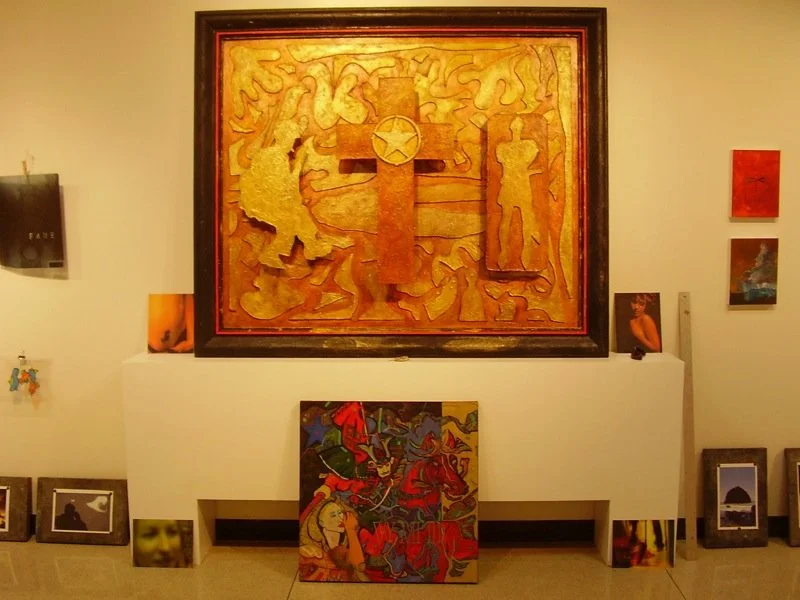
Pump Project, Austin 2005
So far, I’ve barely delved into music and poetry, but they both figure prominently in the topographical or hemispheric accounting of my stricken reminiscence. To give them their due we ought to first explore concentricity specifically and sonic phenomena generally. Which entails the commingling of disciplines and domains, the boundaries between which are blurred in the post-contemporary era. [I attribute this to the unavoidable flattening effect, lossiness and/or compression inherent in advanced computer processing. But also to copy/paste-itis, and the theoretical infinite resampling and-mixing potential of (quantumized) computing.]
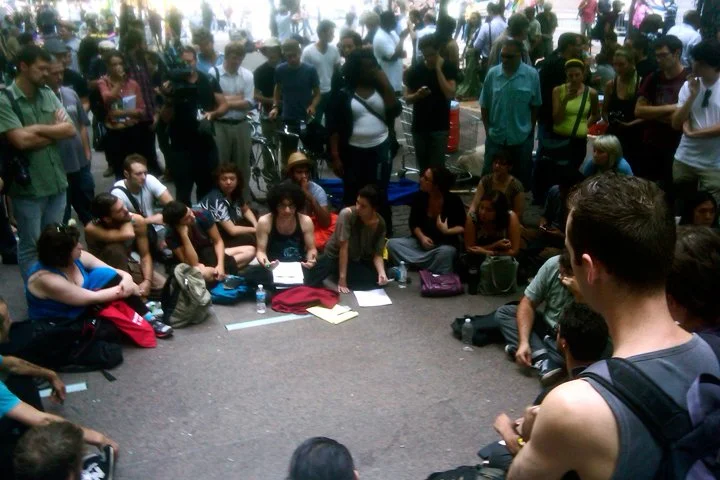
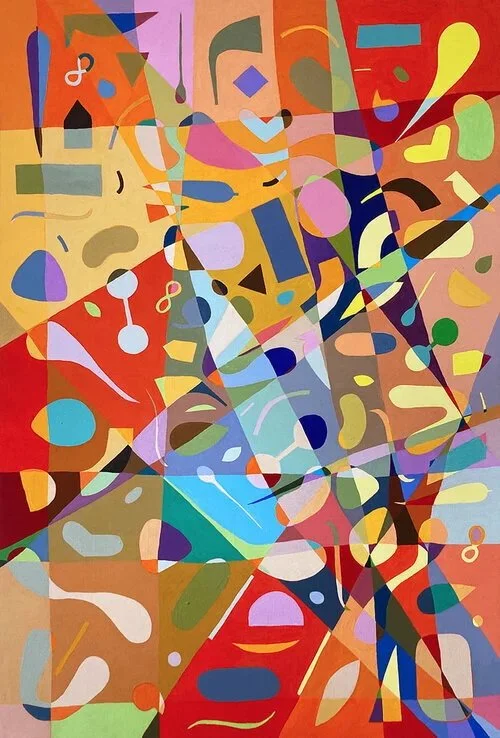
Concentricity animation still 100 (OWS)
I wrote about concentricity as it pertained to the Occupy movement and much more in a Brooklyn Rail essay in 2011. “Lossiness” is a reference to Claude Shannon’s groundbreaking Rate-distortion Theory, which addresses “lossy effects.” My creative interests, especially in 4th Dimensional aesthetics, theory + technique, have from early on been situated at the intersection of art and science. As a 20th/21st Century American artist, I also advocate for an artist life that integrates the political and social practices with pragmatic, informed positions and interactions with the economic forces and dynamics that impact us all these pursuits.

Shannon’s Theseus Maze in MIT Museum, by Daderot/Wikipedia
Poetics and song are binding agents, the glue, if you will, that reach the mind/spirit and body through alternate channels, let’s say, through circuitous means. My generation of artists has come to art by and large indirectly, and been party over time to the utter hollowing out of defined art, which now is popularly thought to be entirely subjective. A mutable or fungible blend of image, brand, experience, timeliness and currency. This de-definition informs the Big A art world, which however runs on the traditional transactional exchanges, i.e., money, power, prestige, property, sex, etc.
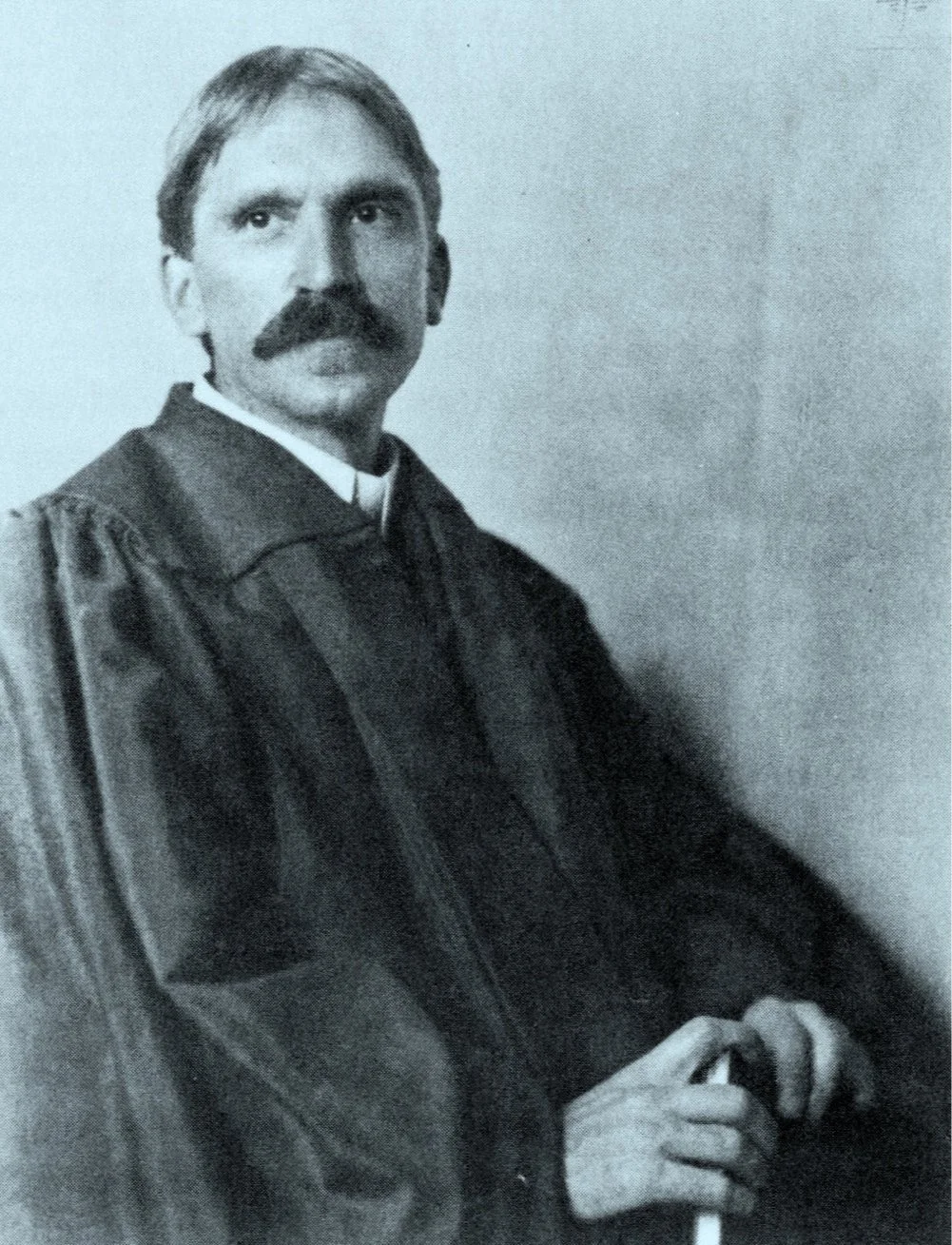
John Dewey at the University of Chicago in 1902 by Eva Watson-Schütze
John Dewey and others tried to establish a rational education-based pathway for ambitious artsies to achieve excellence, while benefitting their communities, as a component of comprehensive democratized academic model. Unfortunately, their early 20th Century successes have been matched and exceeded by a privileged elite who are loathe to surrender their stranglehold on cultural funding, or largesse. America’s apportioning of funds for public education has long been a target of the elites who fear a well-informed and civically active electorate. Privatization of the academic sector has been carried out and is followed by the establishment of an institutional bias favorable to the neo-oligarchy and its strange coalition. Parallel to their rise we have an opposition movement that has embedded itself in the cultural fabric with vigor and tenacity, which has promoted intolerance as frightful across the affected media and organizational domain. The overall effect has been the cultural commons devolution into an extremely polarized, dwindling free speech zone and arena of ideas. In this chaotic environment, artists have had to figure out how to navigate the minefield of favor and disfavor to make work, present and sell it, and cultivate any unconditioned conversation around their enterprise. This grotesque, existential juggling act is one of the central preoccupations of any American cultural professional. Whether your calling is visual, language-based, musical, philosophical, history-centered — teachers and researchers in any of the Humanities have it bad — you must face the radicalized armies and dedicated operations of culture warriors.
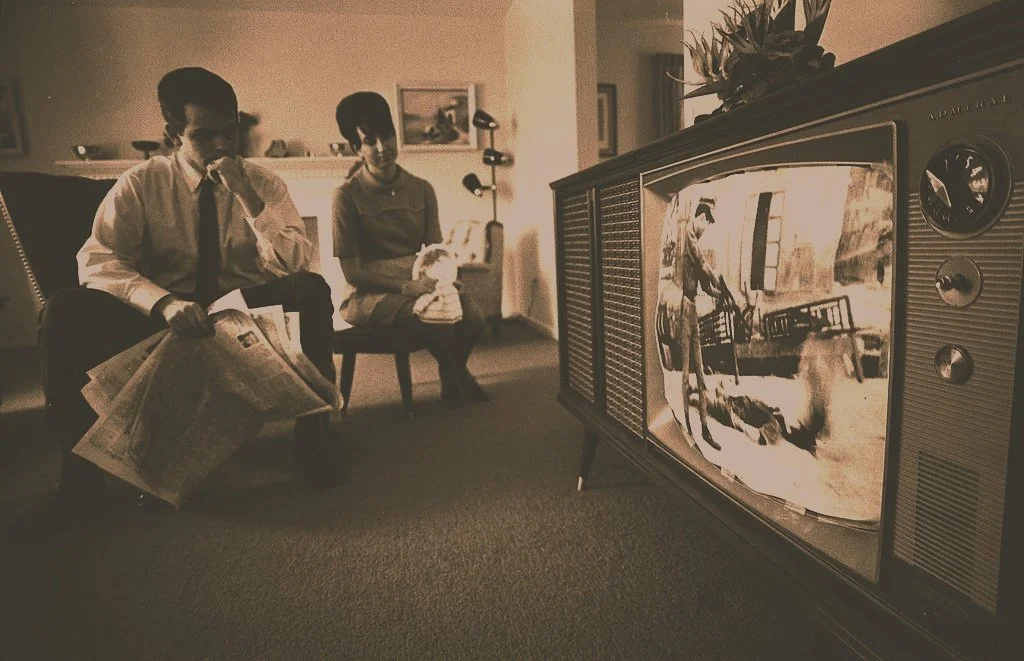
Library of Congress
Television flattened our perception of events, even as the radio encouraged our bodies to groove in private, then in public. Vietnam and the Kennedy/King assassinations were game changers (even though the mass media phenomenon has deeper, even ancient, roots, e.g., in the Church’s or Nazi propaganda machine, or the execution of outspoken political, economic or religious dissidents, a practice as old as human history). We (a generic convocation of enlightened dimensionist thinkers) abruptly realized the ideological, dogmatic or esoteric logic we started with would not suffice in our pursuit of an immediate real-world solution, nor even compensatory, composite secondary, progressive proposals, as we drifted through overlapping dimensions of knowledge and experience. Despite the visceral tangibility of our emotional reactions to streams of mediated content, we had to wake up to the fact we are physically separated by distance and time from the event that is disturbing or elevating us. And that after repeated exposure, we develop an intense, irrational craving for the weird gratification produced by these (usually angry, sappy, sexy, moody, funny, nostalgic, patriotic or violent) multimedia juice packets. Anxiety or depression has proliferated in an increasingly isolationist populace that has become addicted to the overstimulation electronic network devices beam into our homes, workplaces, school, cars. The laptops, smart phone, tablets, watches and glasses attached the content feed, the data stream, then our bodies, before most of us discerned the informatics loop to which we had become attached, are the product of industry dedicated to manufactured consent and surveillance of its subjects, which it wants to be EVERYONE. We ARE not only receivers. We are transmitters. We are speeding toward being a cyborg nation.
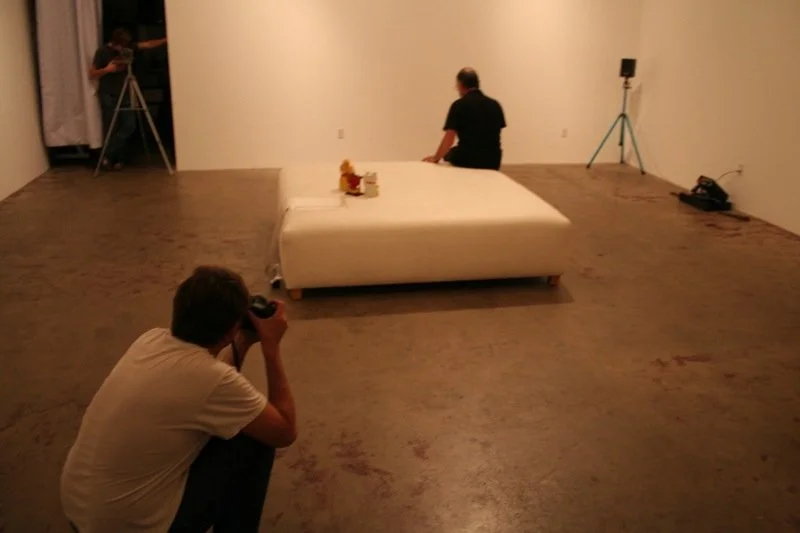
Mike Brewster, Geoff Corder, Shane Kennedy, AFH Gallery Chinatown (2007)
Cue Radiohead and Mark Leckey. In music we have the jam. In poetics we have the slam. In the connective tissue of both we have sound art [RIP, Michael Brewster] and light art {RIP Stephen Antonakos and Dan Flavin}. Frequency, wavelength, and nonverbal sensory perception are pertinent to both arts, of course, though to explain how they pertain we have to deal with different branches of science, their divergent terminology and representational constructs. Neither counting machines or the scientific method has satisfactorily answered the simple question, Why does that make me feel ______? Boy, they’re spending billions trying! “Did ya ever wonder why…?” [RIP Andy Rooney and 60 Minutes, again, too] is a mantra of the inquisitive mind and foundation principle of the scientific method. Why is also the guttural cry anyone facing tragedy, peril, horror, sickness, breakdown — or any Samsaric awfulness. Survival sometimes entails casting aside the Why and grabbing the How To tools. So, in the mid-2010s, post-Occupy, -Bernie, and Trump’s victory, I resolved to chart a new direction, entering a completion phase of practice that became the VyNIL Cycle.
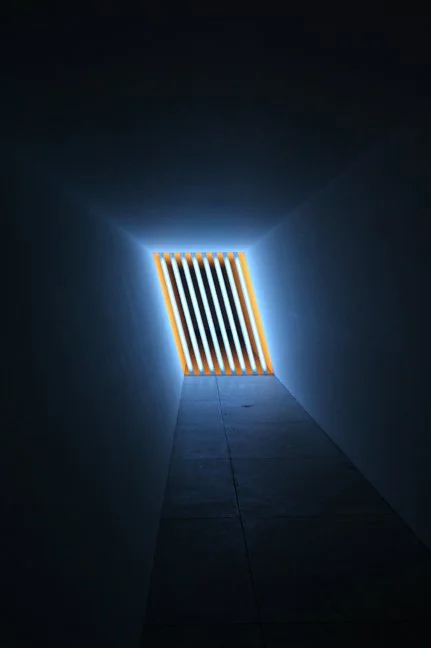
Flavin, Dia Center, Marfa (2007)
Similarly, since the stroke, I am of necessity in a constant revisionist, How To mindframe. Relearning the Hows of functionality is tempered by a longing beyond the utilitarian procedural. Art and the Word have been my life’s calling, my vocation. Poetry post-stroke has seemed beyond me, and I don’t have the stamina for music […or so I believed, until a few days ago, when I composed what I thought was some pretty respectable verse, and I started pre-production brainstorming with my old pal Wilson]. The stroke fried that part of the brain, evidently, until it hadn’t. Passively, I do enjoy listening to Lachlan’s (Drake-heavy) playlist in the car, as we drive around the Bay Area between hoops tryouts, games and practices. My favorite parts of the commute are the bridges. Lach and his mom went to a J. Cole concert Sunday with my blessing. I didn’t have a clue who J. Cole is, and can’t imagine being in the crowd for one of his performances, wheelchair-bound. My recognition of liminal realism has become pronounced.
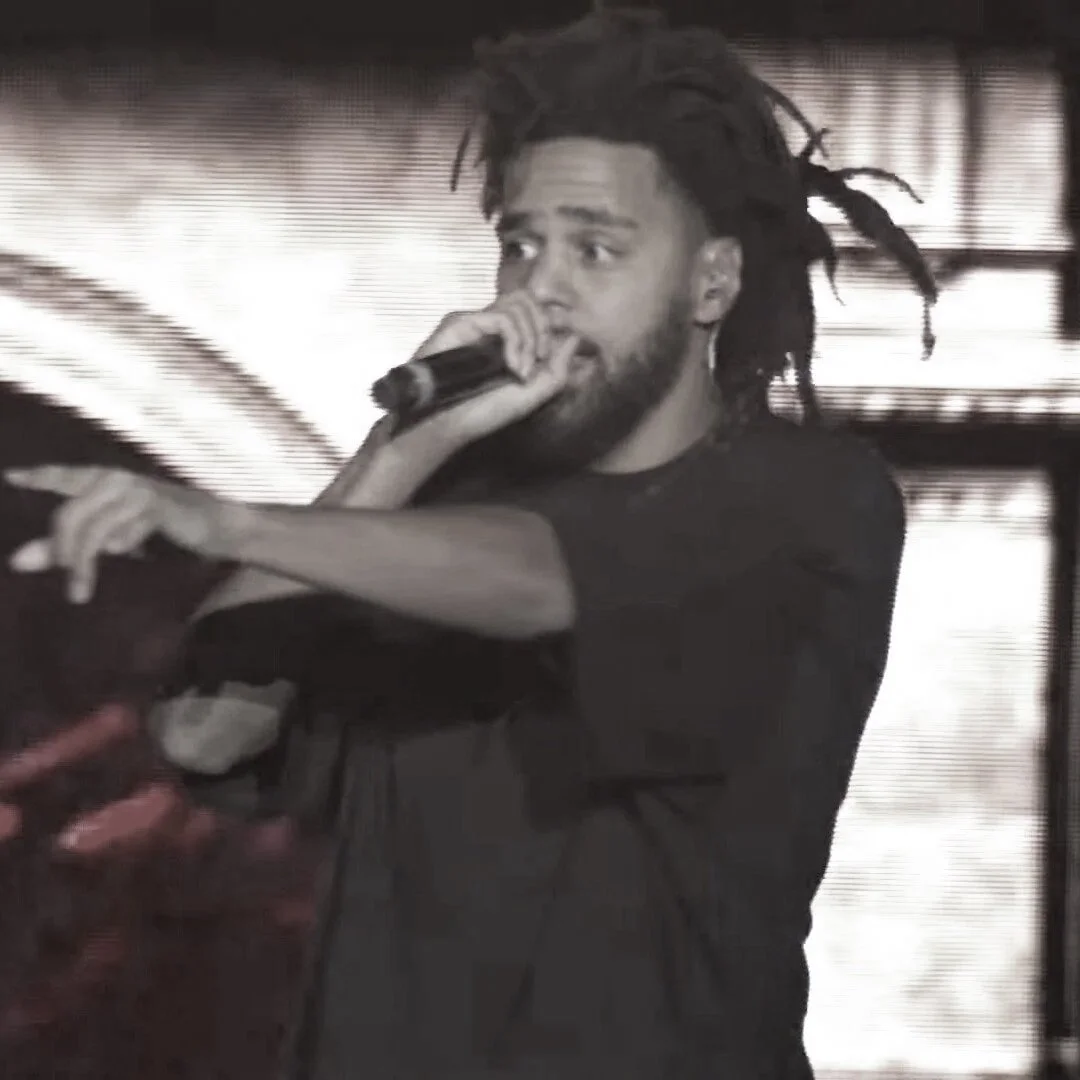
J. Cole, HOTSPOTATL
At night in my noisy adjustable bed I dream of strolling through the ruins of war torn European cities, or organizing elaborate picnics with Renoir’s opulent, buttery bathers, and exchanging pleasantries with Seurat’s shimmery silhouettes, or reeling and weaving among monuments in a succession of Irish and Scottish cemeteries with rowdy cousins and uncles. Not to be crass, periodically I rendezvous with dream lovers, and the sets are fabulous, the energy is frantic. I play a character that’s an amalgamation or synthesis of Guido in 8 1/2, Ricky in Tie Me Up! Tie Me Down! and Jeffrey in Blue Velvet. [Full Disclosure: The last two sentences of the preceding paragraph were AI-assisted — NOT.] I wake up and am fine, until I move. This morning, dozing, I was doing a two-man show in gallery run by my friend Sean Gaulager of Austin’s CoLab, with my beloved ND professor Don Vogl. He was sporting a sparkly gold lamé NFL jacket
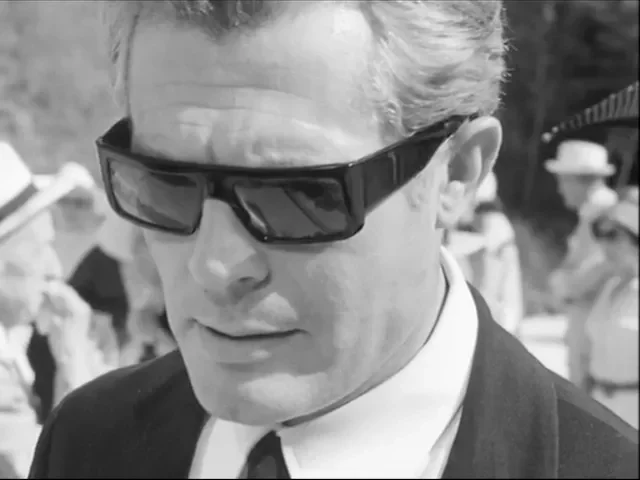
8 1/2
The stroke, unsurprisingly, has me pondering the question of art’s memorializing value. I love Gerhart Richter’s Uncle Rudi. Art, in its most utilitarian iterations, memorializes persons, places, things. The degree to which the art memorial succeeds is dependent on whether the artist’s evocation of the subject does not diminish or minimize our fraught and pointless bargain with imperious finitude. With respect to Death, we want to look away, but can’t help ourselves, and artists tend to maximize that tension. I’m thinking of Michelangelo’s Pieta. Where does art and faith and stone start and stop? Is the art/memorial about the subject’s passing, shaping the memory, defining meaningful achievement, living with Death’s inevitability, a demonstration of acceptance or confrontation, or with its negation through Resurrection? [the Catholic doctrine and Michelangelo’s positions are clear] Maybe it’s just something we have learned to offset or transform grief, a How To tool. The artistic memorial contradicts death, because art is essentially the embodiment of death’s absence. A commemoration ritualizes our processing of mortality, e.g., as procession, dance, eulogy, song, slideshow, etc.; as an Event, another How To tool. Depending on the culture, this expression of grief can involve cutting, burning, sacrifice. Whether we show up as witnesses to the memorial/commemoration, or as participants, performance distances us from the commemorated subject (Death), a ratification of our living through dying, or passing, to use the euphemism. The commemorating ceremony enables the community to distribute solace to mourners.
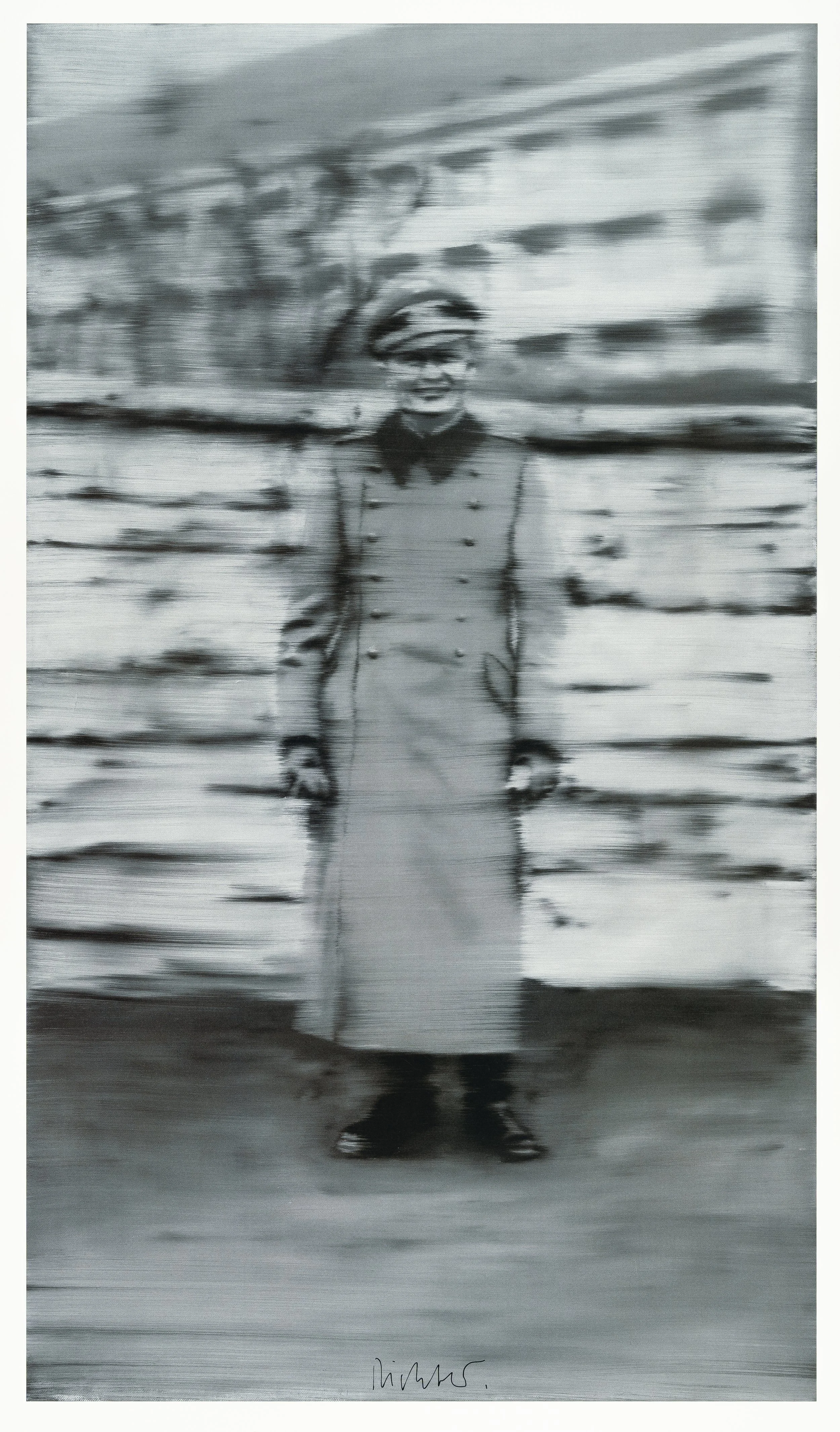
Richter, Uncle Rudi
[An interlude, with Wim Wenders; I had come across a reel in one of the feeds, in which the famed director mordantly commented on how much Berlin had changed since WoD was filmed; which meshes nicely with the subtext of this post, i.e., that the accelerated pace and breadth of proto-civilizational change undermines memorialization, which extends to photography, film and, essentially, symbolic representation in its various mediated formats; and also the post-media practices that land under the banner of editing, including curation, assemblage, collage and so on, in the post-digital era of perpetual options for revision.]
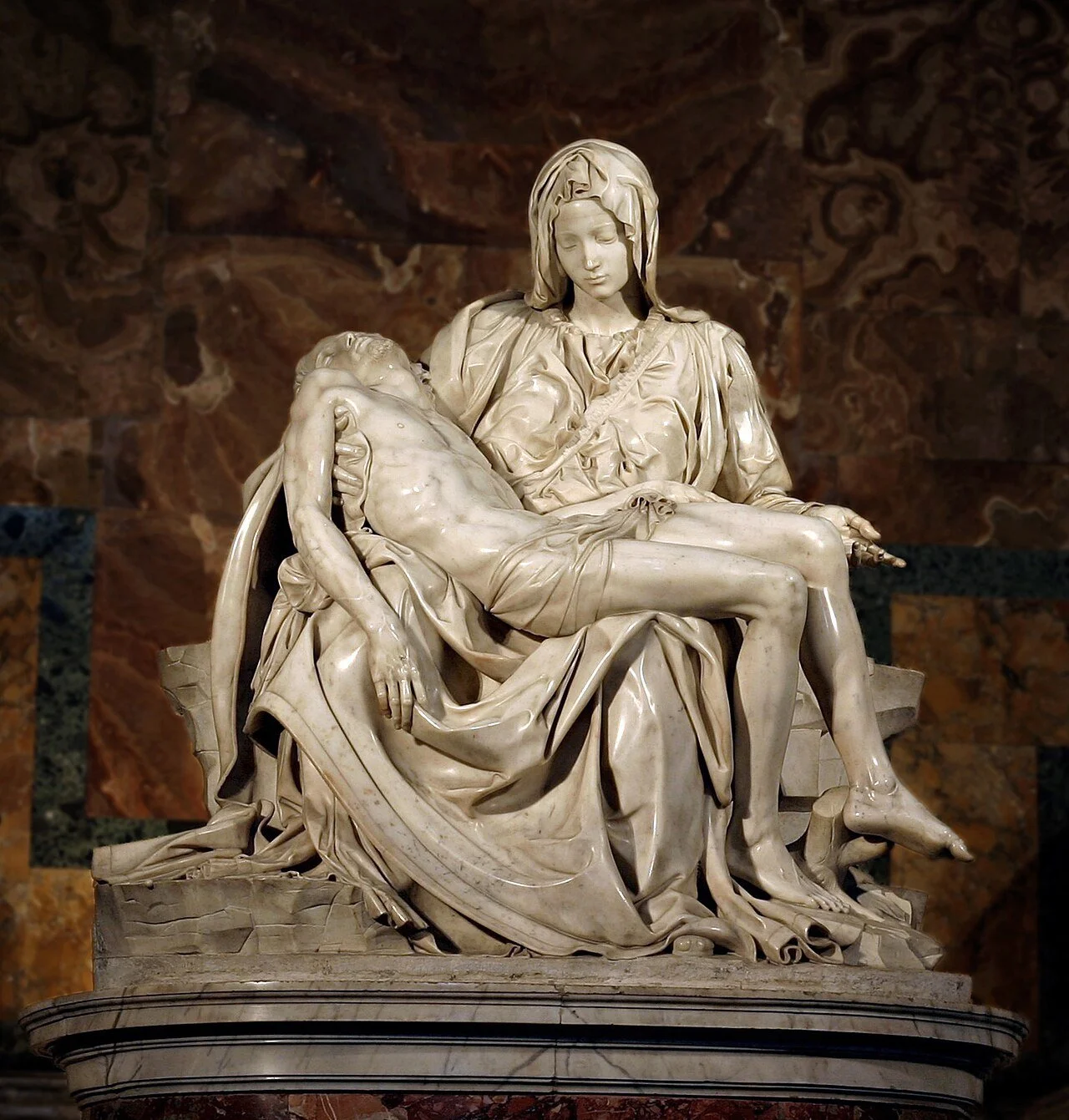
Michelangelo, Pieta
Song, movement, speech, et al., touch the heart through different circuits than stone and pigment on a substrate other than animated flesh. Static or moving image is a secondhand experiential medium, and inadequate to the task, dividing the labor between maker and viewer, except as a complement to commemorating ritualization, when it serves as enhancing decoration, or an element of setting; and that holds for pixel-based content, and all such dead or never-alive stuff. Holography might work, actually might be awesome, but hardly anyone knows how to use it. Again, the tech giants are on it, and have been workshopping/mass testing the concept, with sometimes astonishing (cringe) results. [See Hatsune Miku, and Virtual Popstar] More to the point — and this is an Orson Welles War of the Worlds panic-inducing broadcast type of potentiality — given AI, how susceptible are we to a completely fabricated mass tragedy, which could in turn trigger a reaction with cataclysmic consequences?
A monument embodies (incorporates) the iconically rooted past imaginary. Its depicted subject becomes the passenger in a conceptual time machine, forward-pointed. The idolization of someone or some thing happens at the nexus of fact and fiction, though its dimensional presences inhabit the Now. Ceremonial dance/music/lyrics reunite the past with the present, substantiating memory in the continuum — in time, converted through ritual into a simulation state, invoking an imaginary infinite, a simulacrum. Belief or the suspension of it enables the requisite feedback loop to reproduce the subject, perpetuating its aura, the pretense of authenticity. All cultural reproduction maintains the believability of the subject, whether the underlying narrative is mythological, or even an outright falsehood. The objectified subject represents our childish wish for deathlessness.
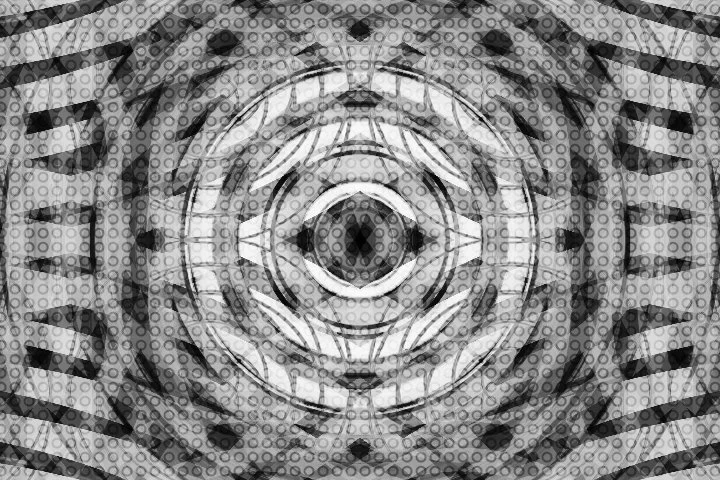
Concentricity animation still #148
If we are to survive with humanity we must differentiate between a totem and a gravestone. Art revolves around the core of values and meaning from which it emerges. The aesthetic kernel is contained in a coded collective instinct. It is re-performed, instantiated through generational repetition, which is patterned generative action. It is a way for subject and object to merge, and for us to submerge in union with both. I’m recalling the beating drum at Lakota Sundances in South Dakota, and feast days at Santa Domingo Pueblo. What secular spectacles meaningfully correlate and mimic the tribal precursor? Can you afford a ticket (to paradise) in 2026? To the Super Bowl or World Cup? To a Taylor Swift concert? If so, our de-memorialized and -sacralized heritage goes the way of the near-extinct ecology of the salmon tribe, of fish and men. Seen through the lens of our 4D analysis, a mob tearing down statues is not shocking at all, but a sign of temporal decoupling. The symbolic village well is poisoned, our covenant with the universal is crumbling, and we all can feel it, like crazed animals before the tempest, howling, running, hiding. Premonition is no protection; Oracle 2026 and the Greek version have more in common than one cares to admit. Burning Man as a secularized, New Age replacement will not cut it either, bro. Grover Norquist should be dead giveaway.
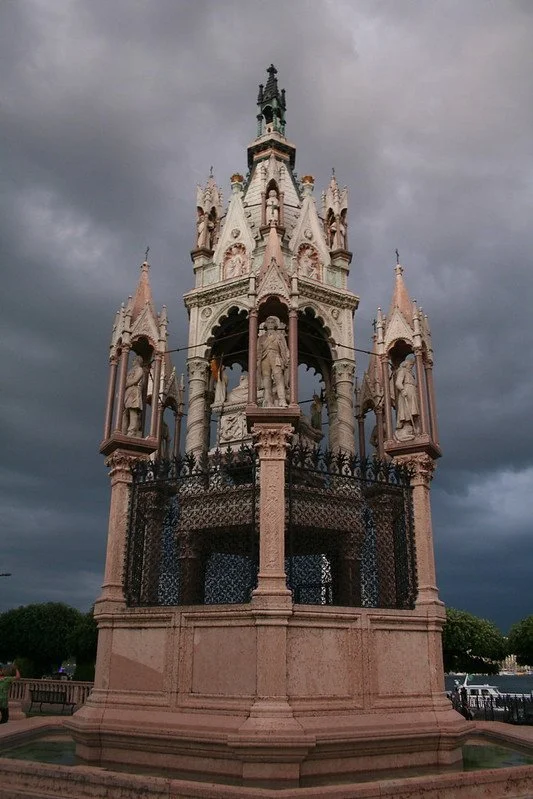
Geneva, 2011
If there is an upside to the grim outlook outlined above, it redounds phenomenologically in what I will call the neo-aura (emphatically not Benjamin’s aura, or maybe its descendent; or did Walter notice it first through his language fixation and other biases, and we misapprehend the symptomatic chronology of apocalypse?), an extrasensory halo accentuating the everyday Beautiful and fragile Miraculous. Think Spielberg’s use of color in Schindler’s List, but subtler, oblique, out of the corner of your mind’s eye, fleeting, a glimpse and it’s vanished. A flickering at the edge of our sensual spectrum, unrecognizable, its thingness obstructed by too conventional perception, obscured by prosaic associations, just another JPEG sunset, which happens to be analog mankind’s last, remembered beforehand. …Pre-remembering what we hold most precious, what we revere, that which imbues a thing with a special light-adjacent energetic, a vibration of vitality in the midst of mortal maelstrom. MEANING. Which is why I adore Angelicism/Film01 so much. We are pre-mourning the End, When the Music’s Over, before we turn out the lights. Jim Morrison and the Doors deserve their reckoning, which is ours, too.
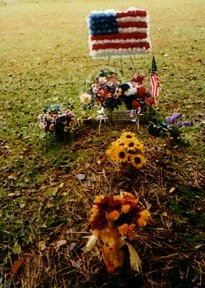
Beckley, WV' grave, 2002
PLATES
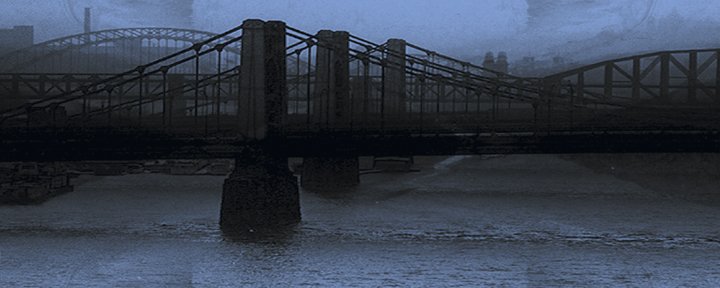
BlueBridges (Pittsburgh, 2001)
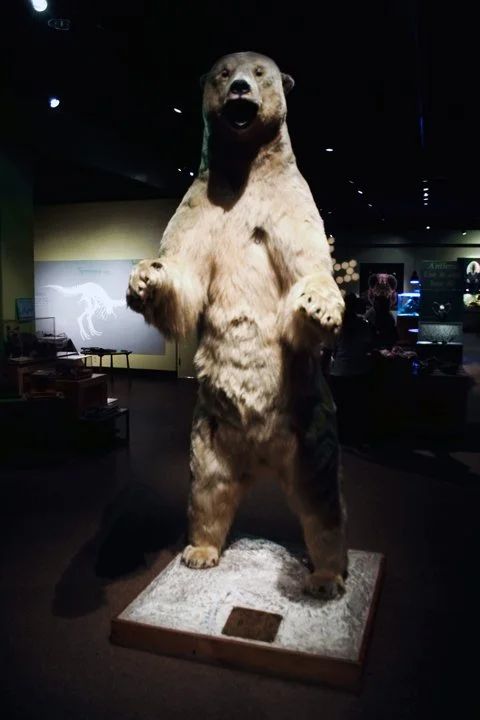
The Bear (LA Natural History Museum, 2009)
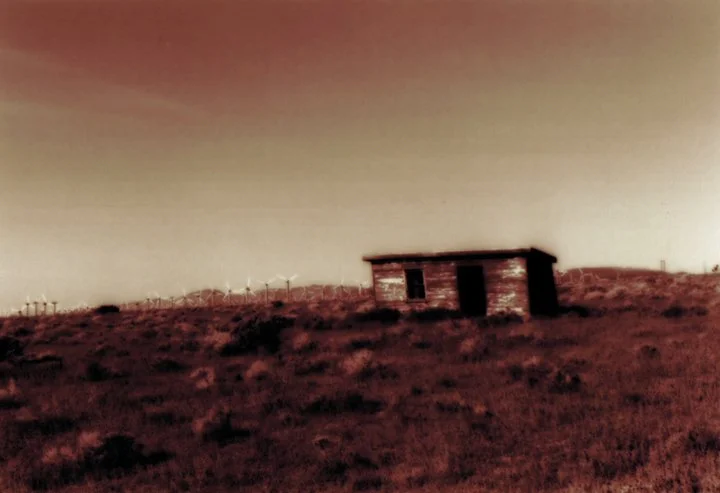
Cali Shack with Windmills (2005)
From Eureka! (The Cabin) 2005
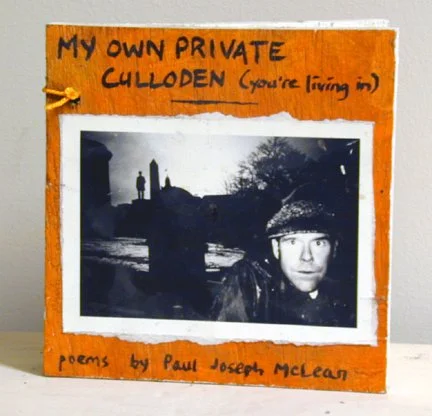
Wooden Poem Book, Scottish series, Original photo by Diane Barrie (1996)
A Prayer for Clean Water (2005)
A Prayer for Clean Water (2005)
Tipi (1998)