G. Neo-techne
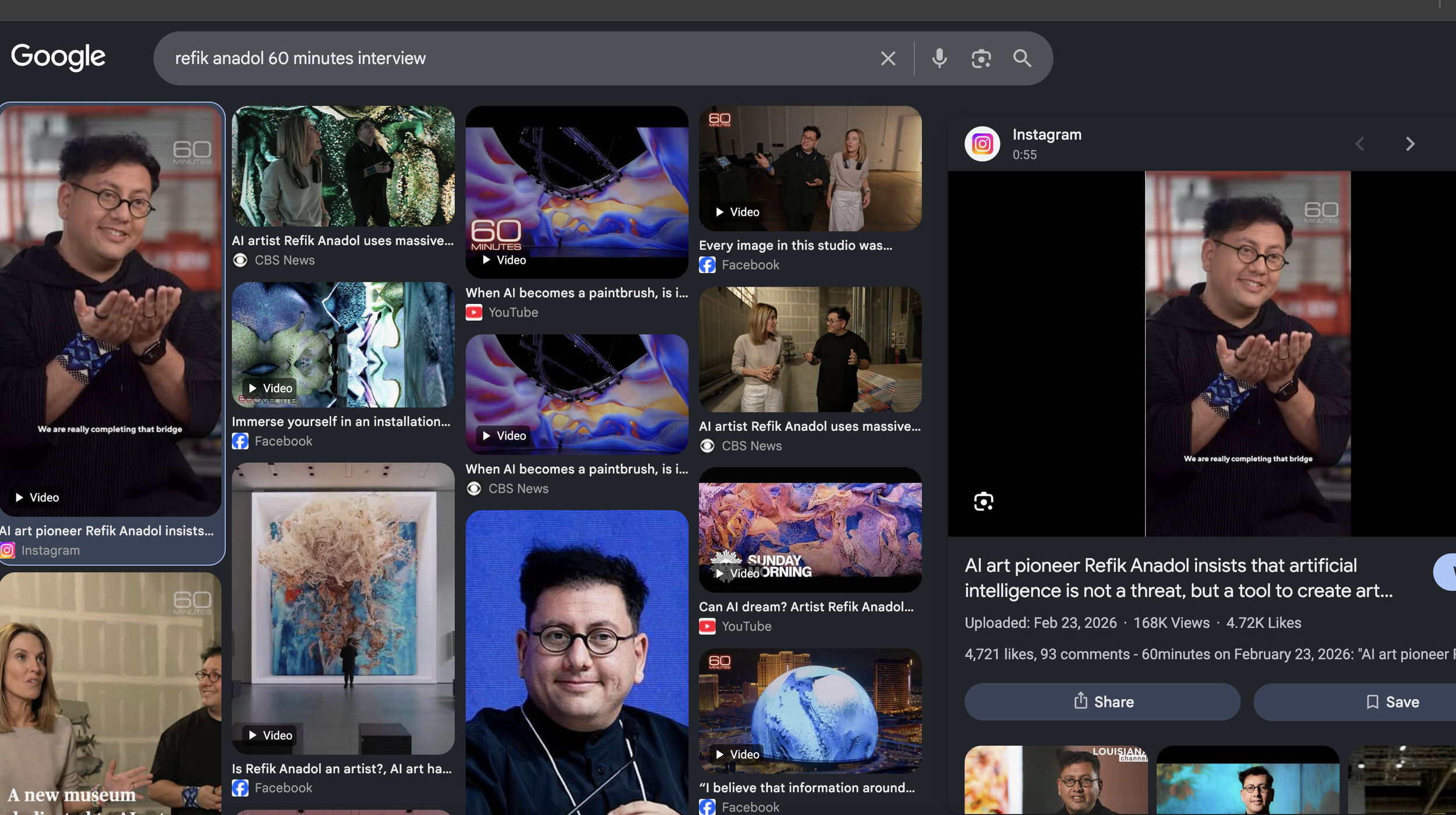
Refik 60 Google image search
Wednesday I was channel surfing, when I landed on an episode of 60 Minutes from earlier this year, the subject of which was AI “art,” rhetorically posing the question whether it was art at all. Naturally, Refik Anadol presented the pros, while Jerry Saltz and Molly Crabapple supplied measured counterpoints, if not outright cons. I proffered my position in an (unpublished) analysis for Ereignis a couple of years ago, strenuously arguing against the assertion that the output of first-wave text-prompt image generators met any reasonable standards for artistic merit. It’s been couple of years and hundreds of billions of invested dollars later, and, mountains of slop aside, talented creative practitioners (like Anadol, or my beautiful Bushwick friend Delphine Diallo) have leveraged integrated AI into global art world success. Which doesn’t mean that I’ve had to revise my initial impression of the technology, or its indefensible colonization of the real, analog arts ecosystem. At a time when an incomprehensible concentration of wealth has thoroughly decimated the cultural infrastructure. The art life is becoming increasingly precarious. The fragile social compact that flourished fleetingly in the 20th and 21st centuries, a democratic model sparking to life between world wars and radically redefining art, is in a state of dissolution and disrepair. How can we tell? We have markers we can point to: free public art education, exhibition and performance; the art critical press; free access to cultural institutions. All we have to do is review the outrageous attacks by the President, DOGE and those aligned with them on our nation’s premier museums, monuments, venues, and his ham-handed attempts to dominate the American imagination by installing his name, image and likeness on everything from money to warships and Capitol architecture. AI inundates the debacle, pays for it, is camouflaged by it. The New Swamp, replacing the one Trump promised to drain, is industrial, weaponized AI. It is using Gaza, Lebanon and Ukraine as testing grounds, producing hundreds of thousands of smashed and starved bodies. AI is powering the militarized ICE/CBP carceral, deportation, surveillance/spy complex, paid with a bloody fortune in taxpayer funds. AI is assisting corporate insurance giants in maximizing profits by depleting health care, reducing exposure to climate catastrophes through targeted lobbying and policy manipulation, coverage loopholes, client selectivity, market diversification and monopolization, financialization, etc. And OMG Wall Street. We are being SWAMPED by AI, its oligarchy and its toxic artificiality.
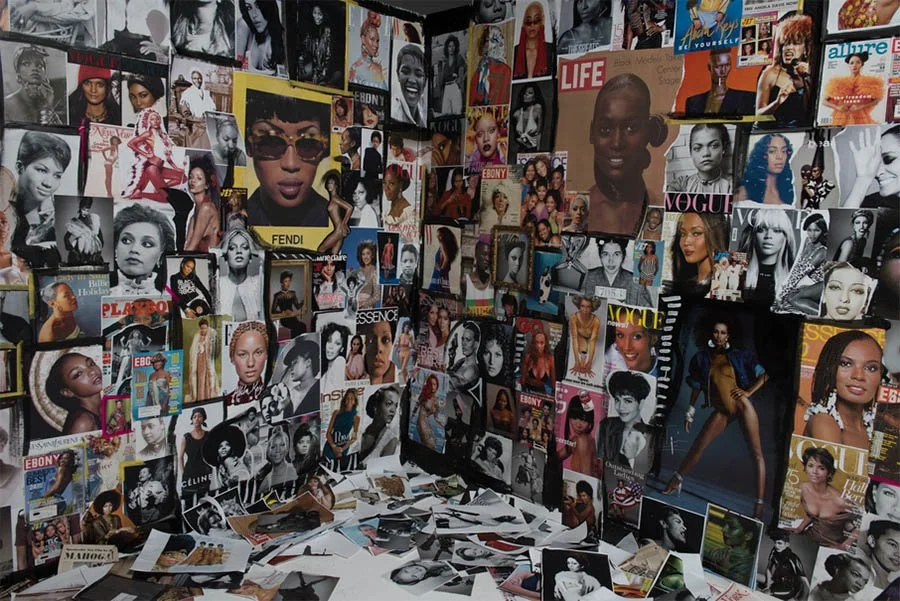
Delphine Diallo, collage for The New York Times (2018), Everywhere and Nowhere – Copyright the artist
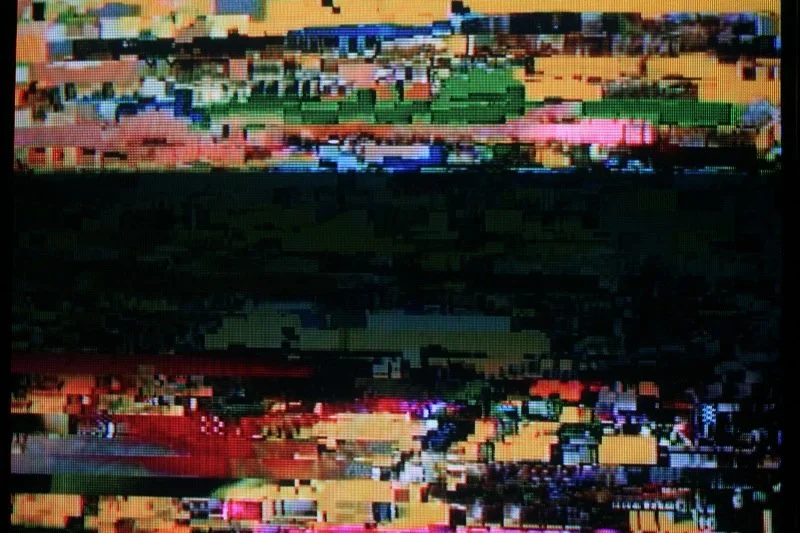
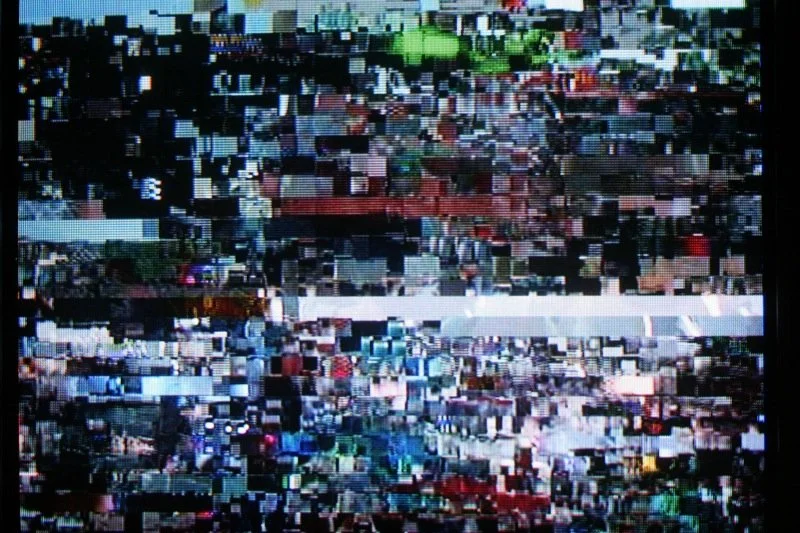
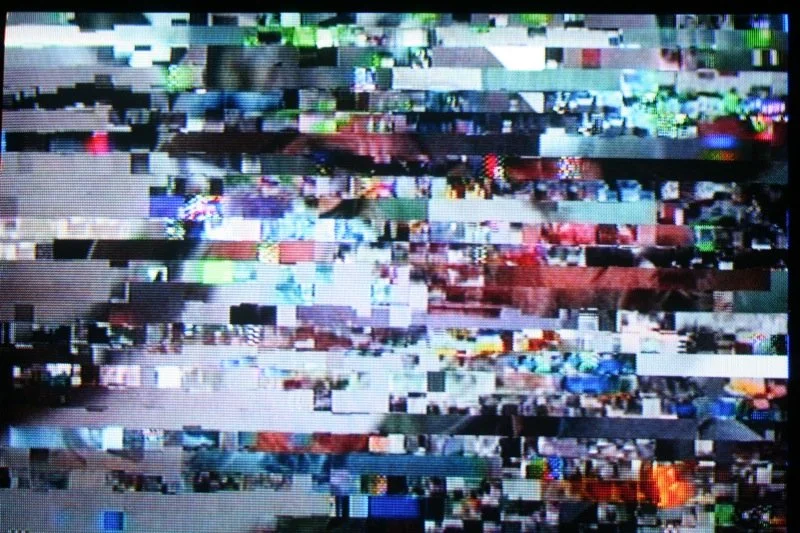
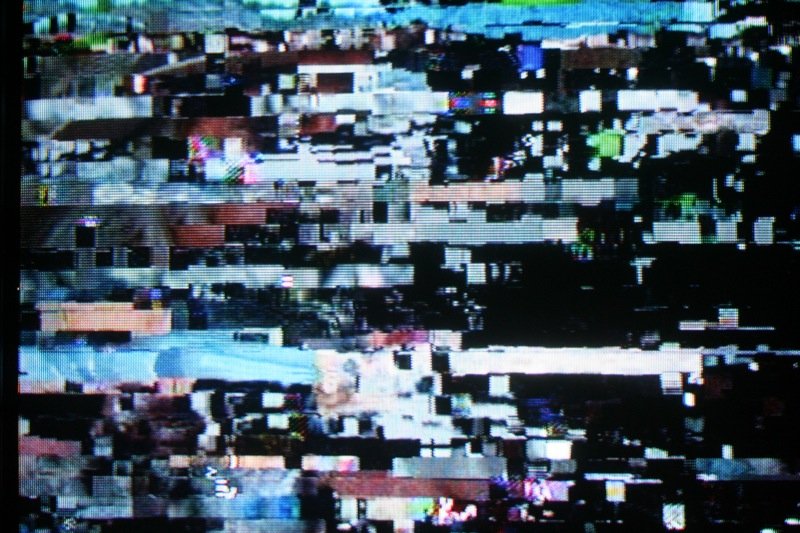
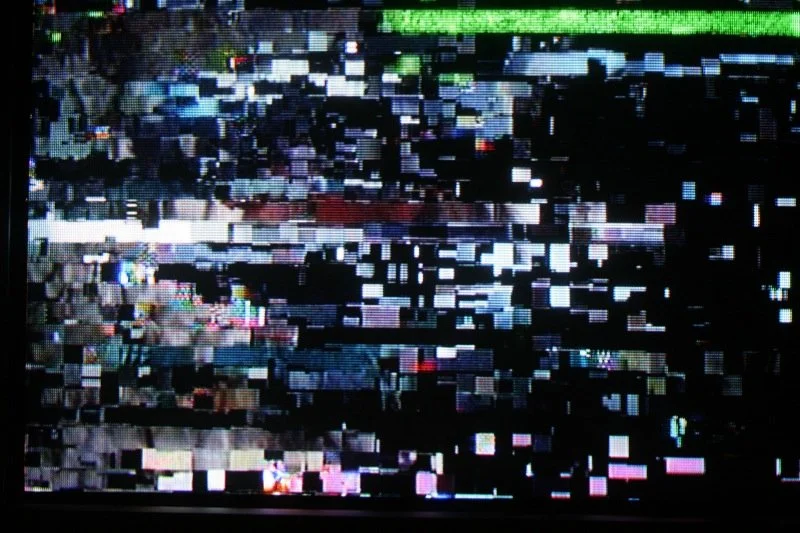
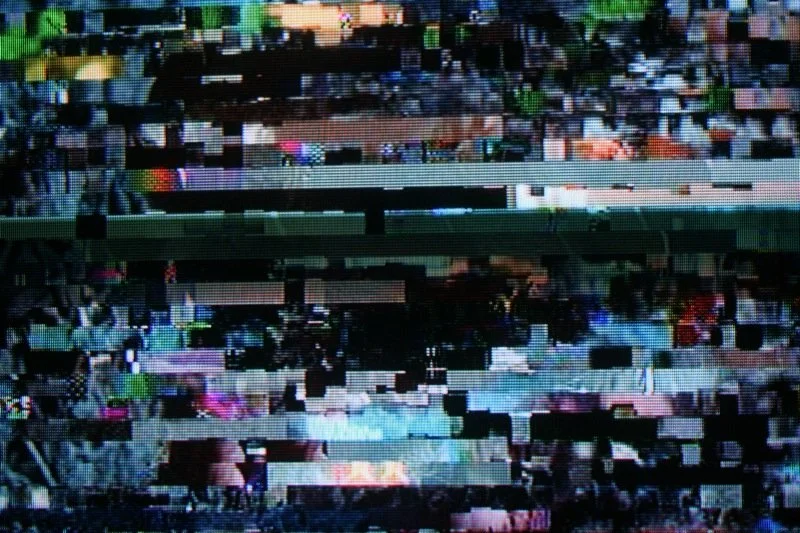
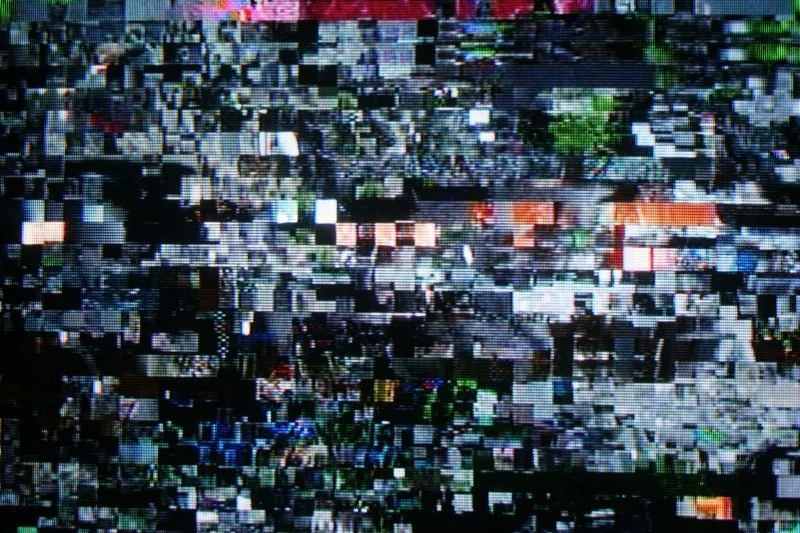
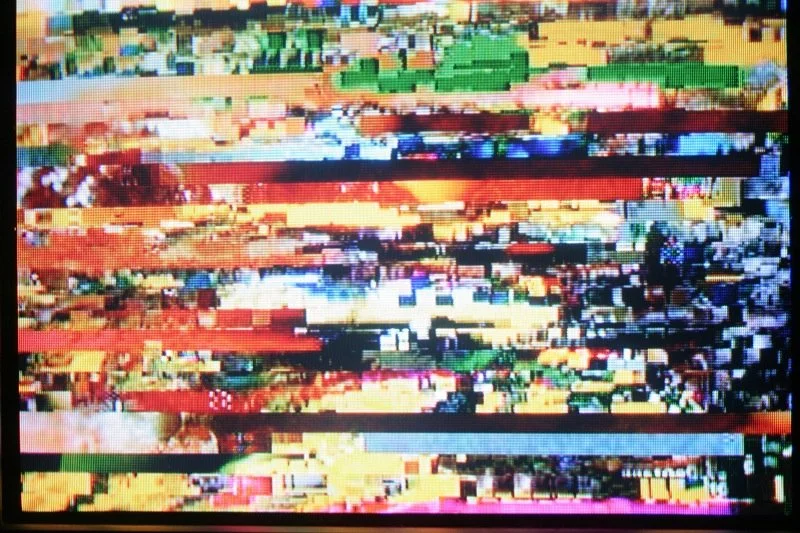
Presently, (believe it or not) I am seeing the issue from a new angle. The titular maxim Art for Humans, the lodestar of my three-decade project, has taken on an added significance, in light of the ascension of the AI Machine. More than ever, I am clear on what constitutes vocational and occupational art, and what distinguishes it from its commercial cousin and technology enabled simulation. As well as what the stakes are, if we lose the power to discern among these phenomenal varieties loosely associated with creativity. For me, a critical element in the human-art-machine discourse is sentience, but at this point, given the immensity of pressure exerted by advocates intent on achieving no less than world domination, is there any hope for a truly collaborative exchange, rather than one premised on exploitation and the obliteration of opposition, or to put it another way — choice? After watching the aforementioned AI art segment [RIP 60 Minutes], as I was scanning the AFH still image archives at Flickr, I happened upon a photoset dated 2008, entitled “Scrambler (Josey Wales).” Back then I owned a CRT TV monitor and paid for cable. Now and again the transmission would glitch and digitize. I found the disrupted, chaotic images on the display to be quite beautiful, and took many digital photos in two sets: the first featuring a fractured and pixellated Grace Kelly in To Catch a Thief; the second featuring similarly de-figured Clint Eastwood in his iconic turn as a post-Civil War outlaw. I recognized similarities between these pictures and some of the graphics on the episode of 60, which illustrated how massive libraries of scraped images are incorporated and activated in Anadol’s monumental media expositions. He claimed hilariously all 150,000,000 of them were ethically sourced! My media-tic associative connection between my harvested glitch content and Refik’s supersized/immersive imagination slaughterhouse/screensaver device elicited another oblique turnabout in my ongoing Drift. I recalled my EGS courses with Lev Manovich, on data visualization. I’ve continued to trace Lev’s trajectory in the domain. Needless to say, I disagree with his boisterous defense of AI as a viable expressive tool, and most of his provocations regarding tech-aesthetics. However, with respect to both Anadol and Manovich, and so many others in the overlapped fields of culture, commerce and science, whose bread gets the most butter depends on one’s willingness to subvert one’s humanity by bending the knee to the invisible, unreal Masters of the Universe, and their fake mind/spirit.
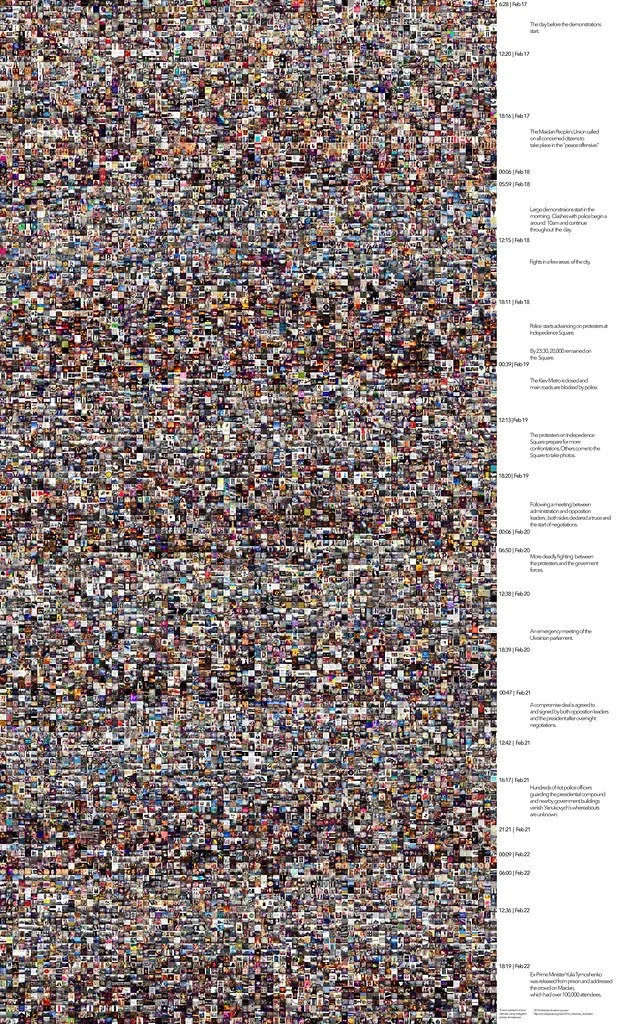
The Exceptional and the Everyday: 144 hours in Kyiv; Lev Manovich
TECHNE
Techne: (Gr. techne) The set of principles, or rational method, involved in the production of an object or the accomplishment of an end; the knowledge of such principles or method; art. Techne resembles episteme in implying knowledge of principles, but differs in that its aim is making or doing, not disinterested understanding.
— G.R.M. (FROM THE DICTIONARY OF PHILOSOPHY)
[AFH Real "PURE" Digital Tumblr, September 17, 2009]
PLATES
Scrambler (Josey Wales) 1-9, 2008