
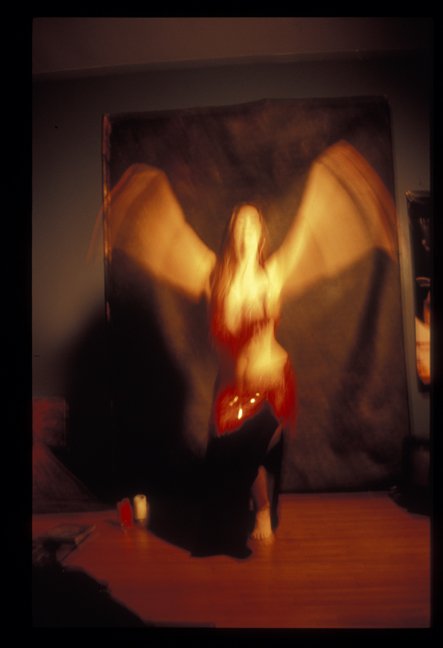
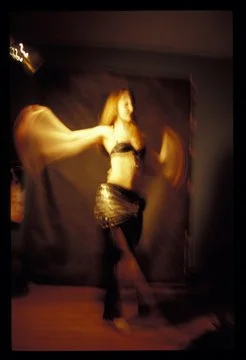
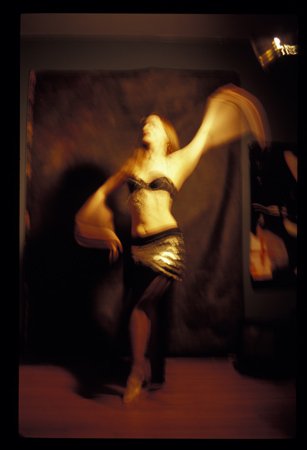
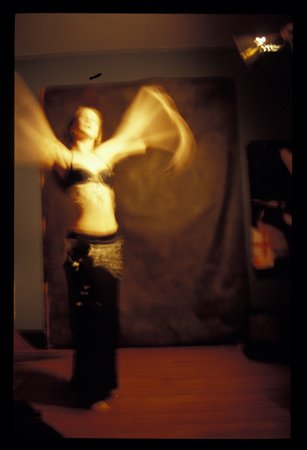
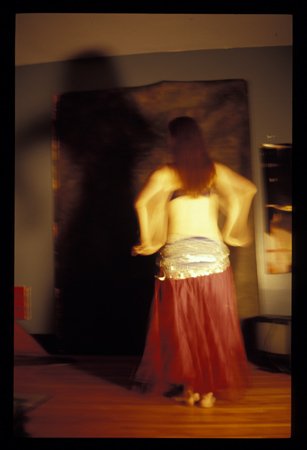
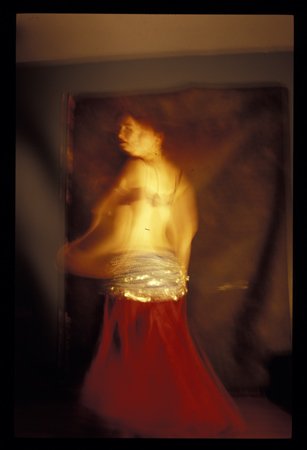
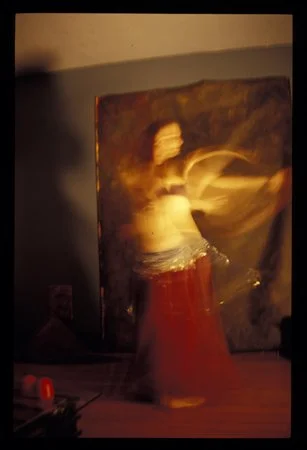
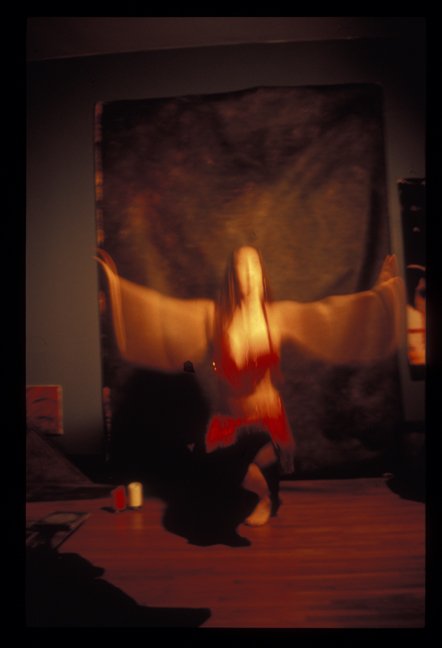
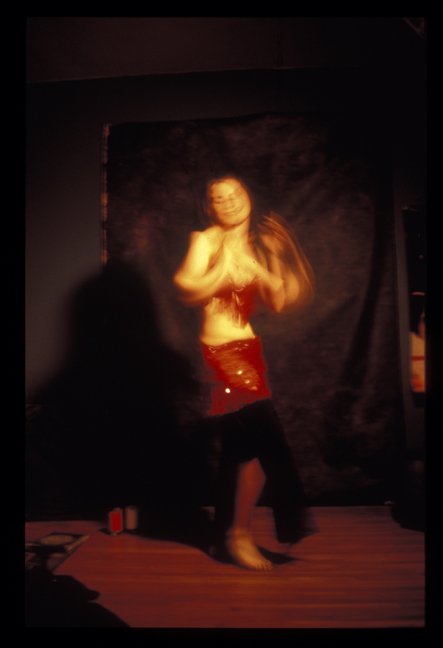
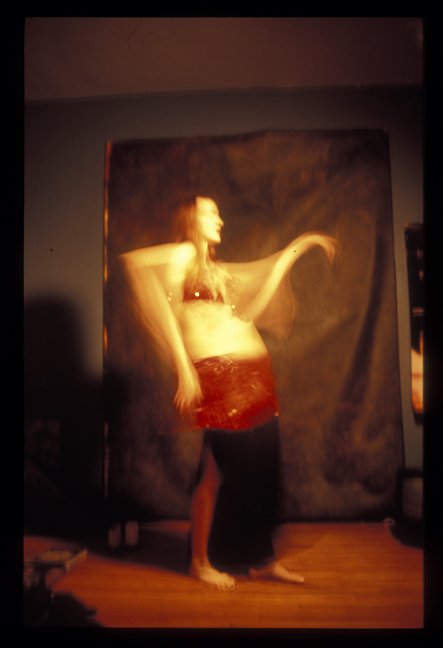
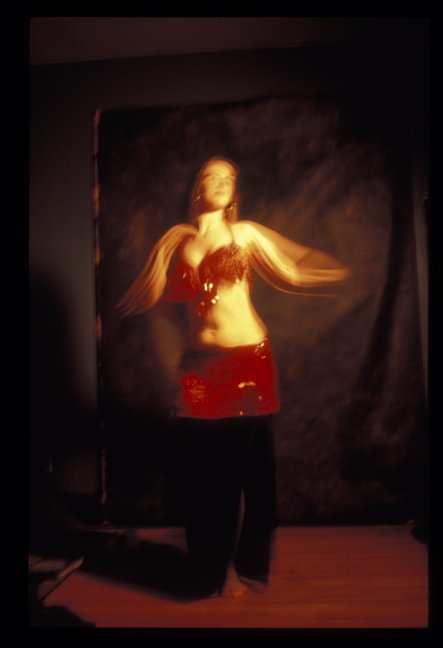
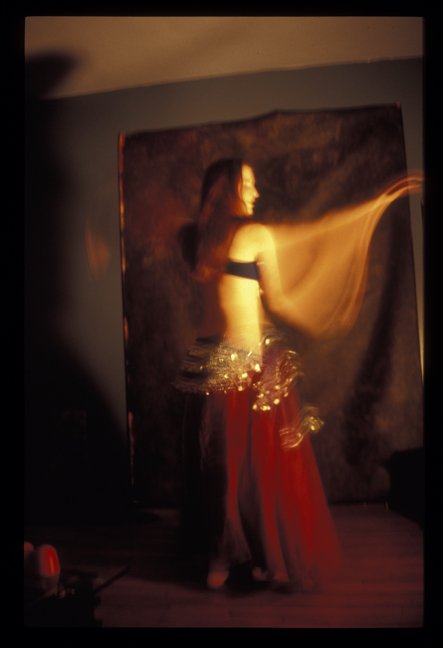
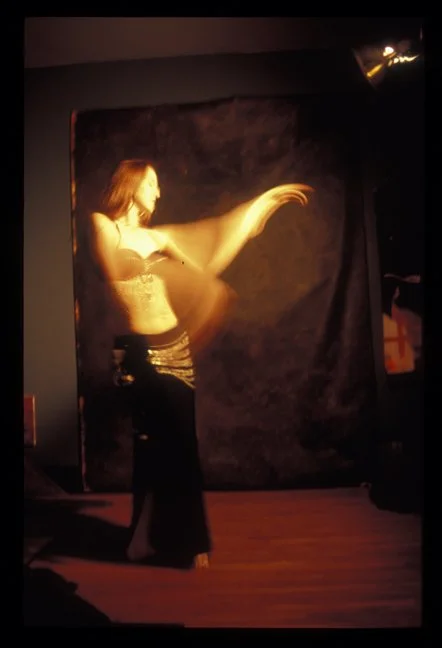
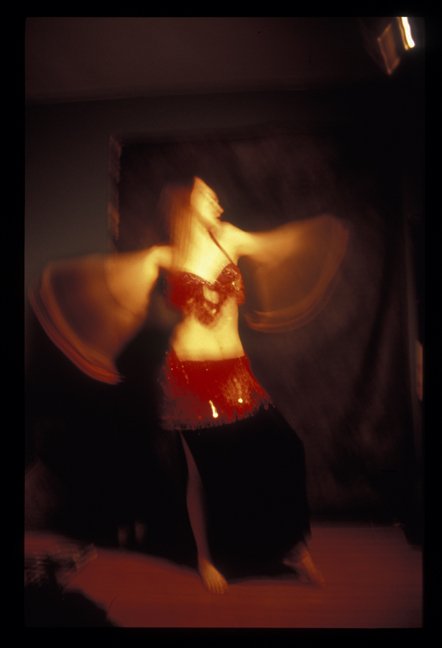
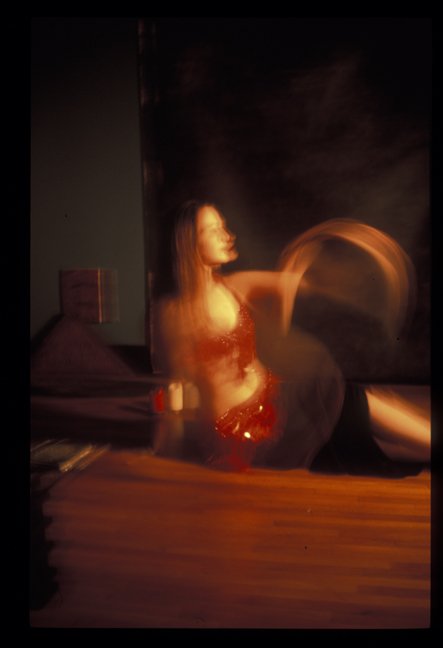
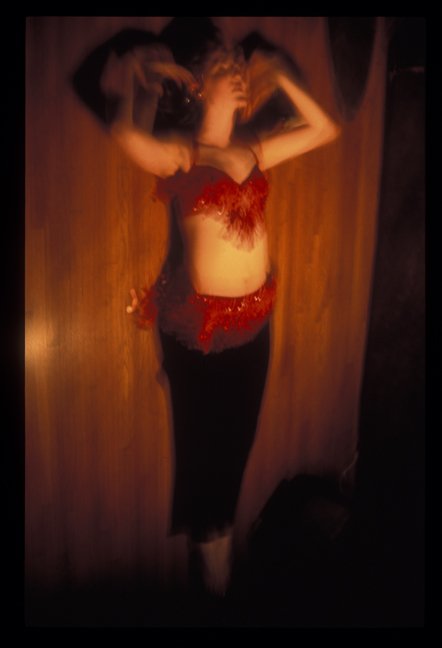
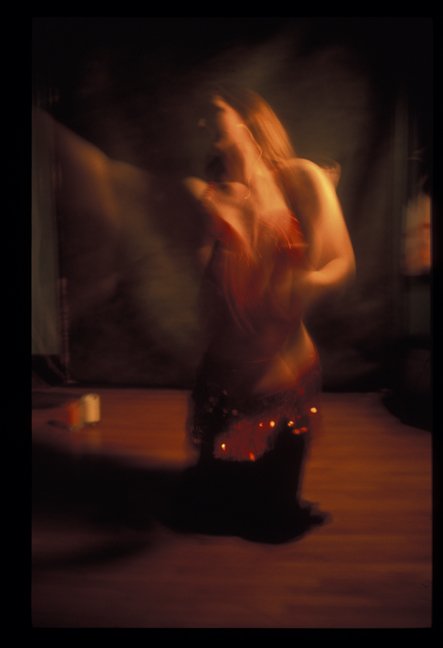
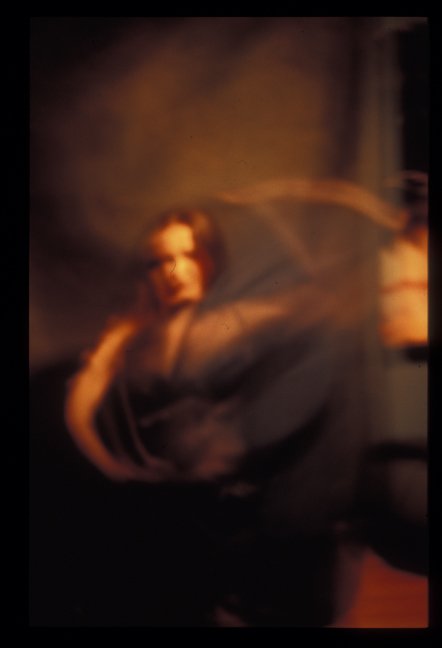
I constructed a very Low-Fi/Dogme 95-inspired photo set in my dark and gritty apartment on Belmont Avenue in Nashville, previously occupied by the great Steve Earle. It was more or less equidistant from the primary nodes of my art-life matrix at the time [Bongo Java/Fido, Hillsboro Village, the gym, Ground Zero, Chestnut Square Studio]. I produced several shoots there with models [Glory, 3 Muses, Jen, Julia] and still life arrangements. I was frenetically burning through film/developing dollars, eventually amassing close to 100,00 pictures, of which a small portion were output as prints. Others were scanned digitally and/or rendered as contact sheet roughs. A few years later I tried to dump the whole trove off to the esteemedMonroe Gallery in Santa Fe with whom I had cultivated a relationship. Understandably I suppose, Sydney balked at the scale of the project.
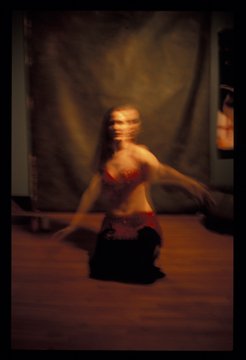
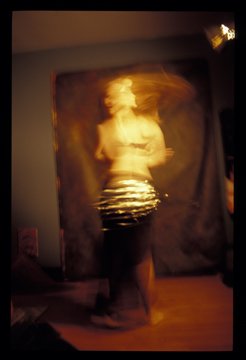
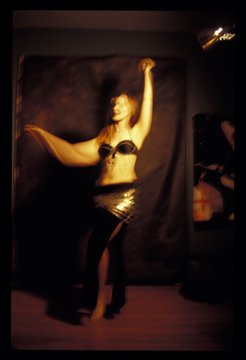
The AFH Foto Lab [BelAv] consisted of carefully selected elements arranged in the framed space and composed similar to an underpainting, conceptually. The backdrop was an unstretched canvas, actually an underpainting, colored in umbers and muddy ochers. Next to it was hung a large format digital print. A red and a white candle were placed on the wood floor in front of a triangular, gold-hued sculptural multimedia construction. Another artwork leaned against the blue-gray wall behind these items. There was a ubiquitous vinyl 01 decal. The scene was only lit by a single handheld floodlight, by a nice kid Linda had brought along as protection. She unpacked a couple of belly dancer costumes, one red, one black, and some veils. I positioned myself on the couch opposite, my film rolls stacked in front of me.
As I recall, my direction was minimal. She danced and I clicked away. I was pretty certain that what we were doing would result in a remarkable sequence of images. For several reasons, I am not what I would describe as a technically proficient photographer. Rather, I am a painter whose use of cameras is adapted to practical purposes, extending also to the theoretical, digital and documentary domains. In my model, the commonality is in ways of seeing, taking into consideration the effects of time on perception and interpretation — Vision, in short. In the early 2000s I was into blurring, media artifacts, light play (both natural and artificial), flesh and fabric as signs of sensuality, architecture and armature, dreams and symbols, and the tension between old and new in society and our cultural expression. I tended toward the interstices binding extremes, e.g. war snd love, a fertile zone for art.
I believe we finished nine rolls of mostly color Fuji and Kodak film, and one or two black and white rolls. The whole operation was over in a couple of hours. We said our goodbyes and I think I rushed the goods to Chromatics. I had this Feeling. When they called to tell me the processed film was ready, I hurried back. I was irrationally horrified that something might have gone wrong, that the film had been ruined. Equally awful, I dreaded the photos sucking, because what I saw through the viewfinder was magical, bordering on sublime. Standing at a counter in the photo shop’s lobby, I examined the contact sheets. I couldn’t decide whether to bawl or Highland howl. Almost every single picture was worthy of exhibition, and the continuity among them, the movement was palpable. In my experience behind the lens, this is a singular event, what you strive for but hardly, if ever, achieve. Everything has to be and go right. In fact, words are insufficient to convey what the Linda series is and does.
I printed a set of four for a summer show at Cumberland Gallery. During the Eureka! residencies and exhibitions I printed a few dozen images in a variety of formats and animated them in FALL01 in 2004-5. I decontextualized them for A Prayer for Clean Water in Austin in 2005-6. I fear they haven’t received a proper and full public presentation, nor a critical analysis, all of which I believe they merit.
I only encountered Linda again once, a few weeks or months after our shoot. I was walking down Belmont toward the coffee shop, she in the opposite direction. I hardly recognized her. Her appearance had changed, and initially I couldn’t determine how. Then it hit me. Linda had grown out of the phase she was in when we met. That Linda was gone forever, had morphed seamlessly into this Linda with whom I was exchanging slightly awkward pleasantries. The Linda captured in those frames was, to romanticize the thing, like a blossoming flower, a phenomenon that infuses and saturates art and is fundamental to the project. Essentially, the subject is finitude, impermanence, the transitory quality of life and experience, and eventually, the prospect of death. The mystery of beauty.
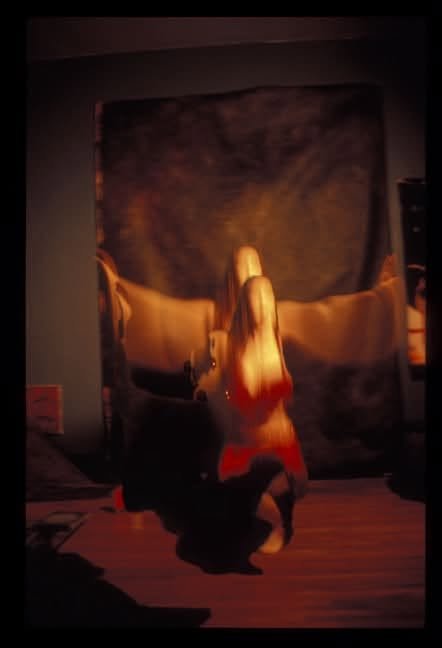
Adjoined > 2003/-26 > 35mm photo & digital artefact